
Grocery
1.5% Reduced Fat Cultured Buttermilk
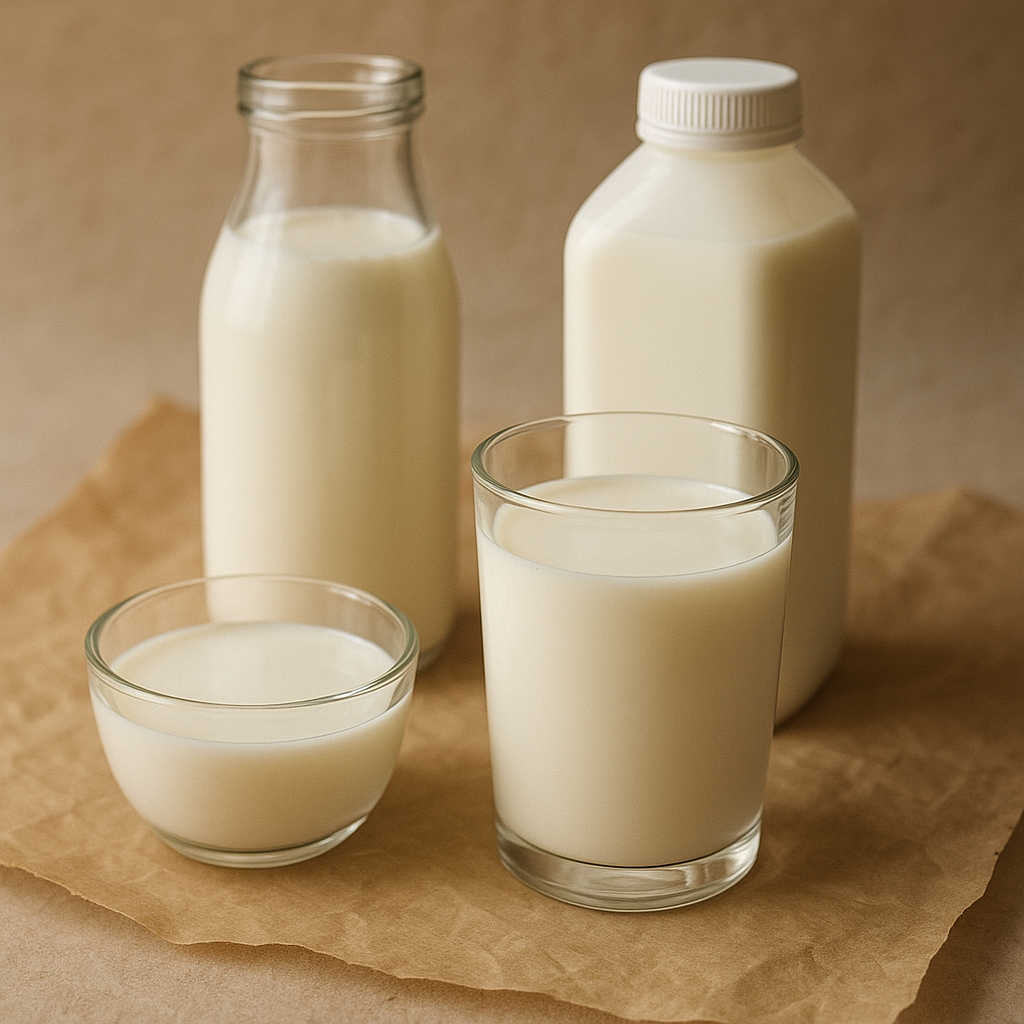
What it is
This is a dairy product made by fermenting milk with lactic acid bacteria. The fermentation process gives it a tangy flavor and a thicker consistency than regular milk. The 1.5% fat content means it is lower in fat compared to whole milk buttermilk. It is a staple in many kitchens for its unique properties and taste.
How people cook with it
Cultured buttermilk is a versatile ingredient that adds moisture and tenderness to baked goods and flavor to savory dishes.
- Baking cakes and biscuits
- Making pancakes and waffles
- Marinades for poultry
- Soups and dips
In baking, its acidity reacts with baking soda to create a lighter, fluffier texture in items like pancakes, biscuits, and cakes. It can also be used as a base for creamy salad dressings, dips, and marinades, tenderizing meats and adding a pleasant tang. Some people enjoy drinking it straight or using it in smoothies for a refreshing beverage. It can also be incorporated into savory batters for fried foods.
How it differs from similar foods
Compared to traditional buttermilk, which is the liquid left over from churning butter, cultured buttermilk is made intentionally through fermentation. This results in a more consistent flavor and texture. The reduced fat content also makes it a lighter option than whole milk buttermilk.
Who it is for
Home bakers and cooks who appreciate the tenderizing and leavening qualities of cultured dairy products often reach for this ingredient.
How to keep the rest
Once opened, store any unused cultured buttermilk in its original container in the refrigerator. Ensure the lid is tightly sealed to maintain freshness. It should be consumed within the recommended timeframe after opening, typically a few days to a week, to ensure optimal quality.