
Shigeno Seimen
Shigeno Seimen Buckwheat Noodles
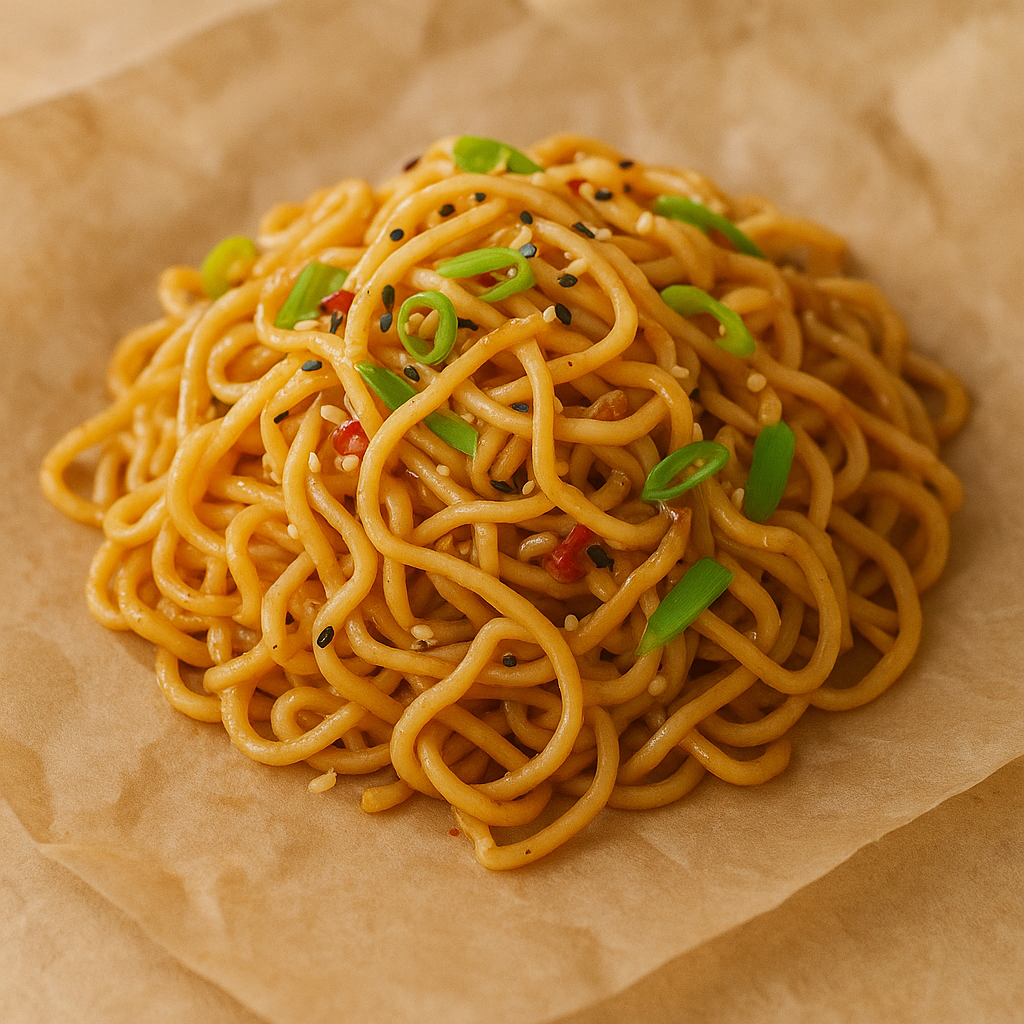
What it is
These are dried noodles made primarily from buckwheat flour. Buckwheat is a pseudocereal, meaning it's not a grain but is used similarly in cooking. The flour gives the noodles a distinctive earthy flavor and a slightly firmer texture compared to wheat-based pasta. They are a staple in many Asian cuisines, particularly Japanese soba dishes. The noodles are typically sold dried and require boiling before consumption.
How people cook with it
Buckwheat noodles are versatile and can be enjoyed hot or cold. They are a popular base for many savory dishes.
- Hot noodle soup bowls
- Cold noodle salads
- Stir-fried noodle dishes
- Side dish accompaniment
To prepare, bring a large pot of unsalted water to a rolling boil. Add the dried buckwheat noodles and stir gently to prevent sticking. Cook according to package directions, which usually takes about 5 to 7 minutes. The noodles should be tender but still have a slight bite. Drain them thoroughly in a colander and rinse under cold water if serving cold, or serve immediately if serving hot. They absorb flavors well, making them suitable for broths, sauces, and dressings.
How it differs from similar foods
Unlike wheat noodles, buckwheat noodles have a more robust, nutty flavor profile. Their texture is generally chewier and less elastic than pasta made from refined wheat flour.
Who it is for
Home cooks and culinary enthusiasts looking for authentic Asian noodle experiences or an alternative to wheat-based pasta.
How to keep the rest
Store the dried buckwheat noodles in a cool, dry place, away from direct sunlight and moisture. Ensure the package is sealed tightly after opening to maintain freshness and prevent spoilage. They can be stored at room temperature for an extended period.