
Roundy's
Roundy's Sliced Bacon
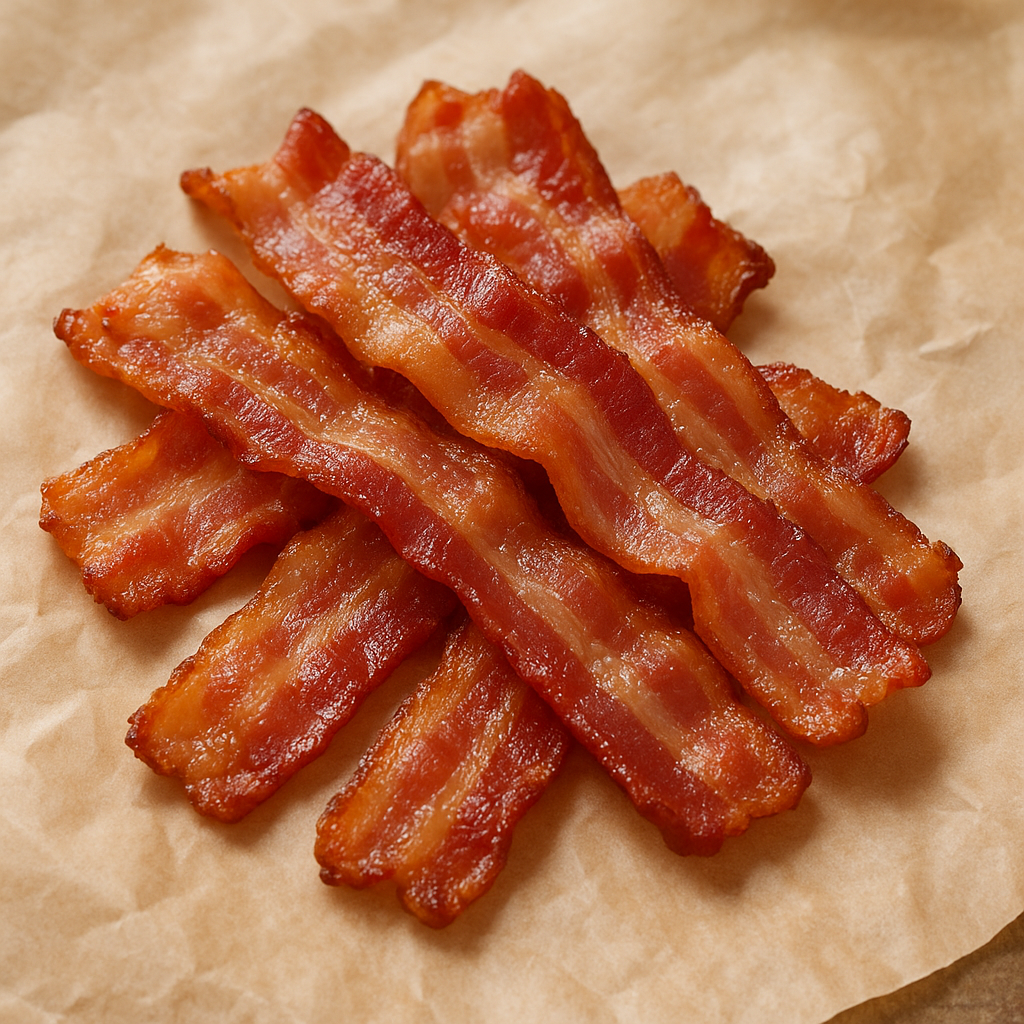
What it is
This is a package of cured pork belly, sliced into strips. The curing process typically involves salt and sometimes sugar, which helps to preserve the meat and develop its characteristic flavor. The slices are usually thin and have a good balance of lean meat and fat, which renders out during cooking to create a crispy texture and rich taste. It is a popular breakfast item and a versatile ingredient in many dishes.
How people cook with it
Bacon is a staple in many kitchens, enjoyed for its savory flavor and crispy texture. It can be prepared in numerous ways to enhance a wide range of meals.
- Breakfast side dish
- Sandwich topping
- Salad ingredient
- Flavor enhancer for soups
To cook bacon, lay the strips in a single layer in a cold skillet. Cook over medium heat, turning occasionally, until the desired level of crispness is achieved. The fat will render out as it cooks. For less mess, you can bake bacon on a rack set over a baking sheet in a preheated oven. Drain the cooked bacon on paper towels to remove excess grease. The rendered fat can be saved for future cooking.
How it differs from similar foods
Bacon can vary in thickness and cure. Thicker cuts will take longer to cook and may remain chewier, while thinner cuts crisp up more quickly. The type of cure, whether it includes sugar or other spices, also affects the final flavor profile and color of the bacon.
Who it is for
Home cooks and professional chefs alike use bacon for its distinct flavor and texture.
How to keep the rest
After opening, store any unused bacon tightly wrapped in its original packaging or in an airtight container in the refrigerator. It is best to use it within a few days for optimal freshness. For longer storage, uncooked bacon can be frozen.