
Grocery
Apple Cider Vinegar
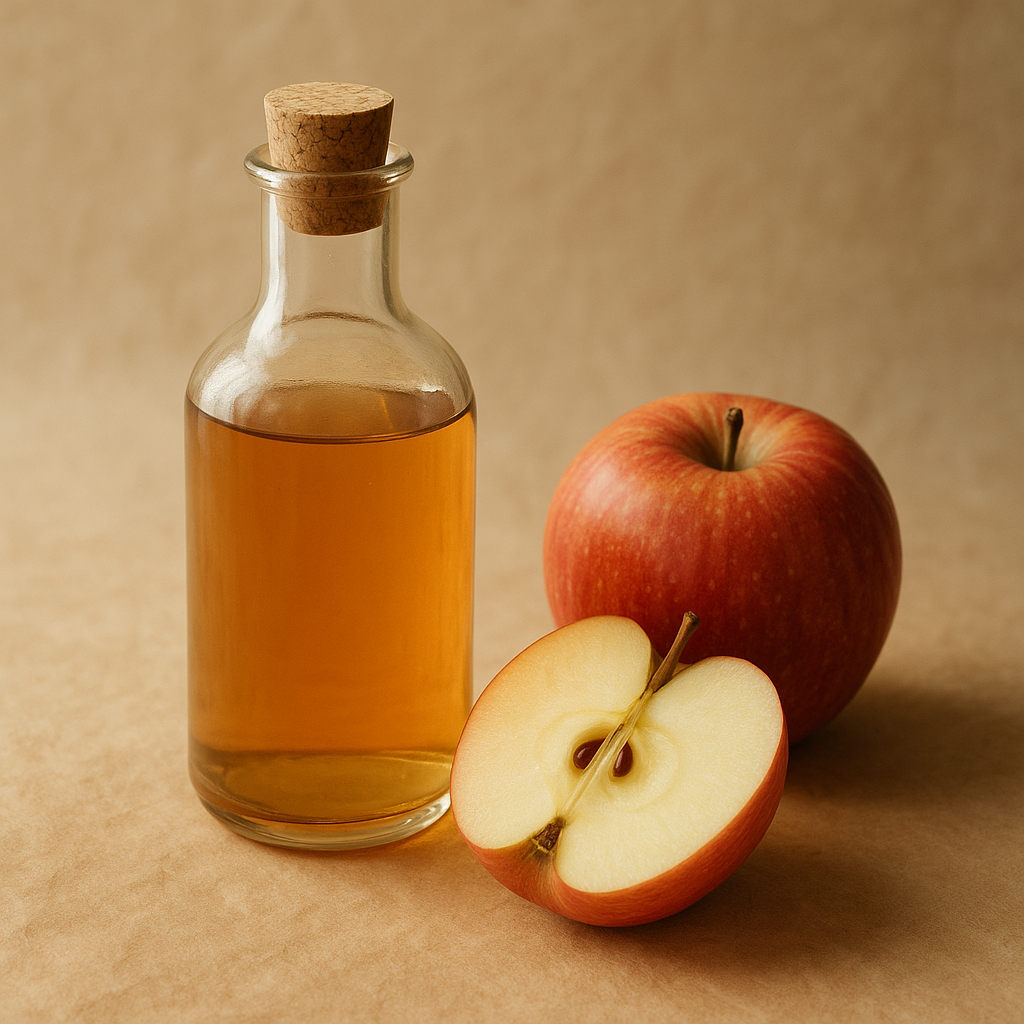
What it is
This is a type of vinegar made from fermented apple juice. The fermentation process converts the sugars in the apple juice into alcohol, and then further fermentation converts the alcohol into acetic acid. This acetic acid is what gives vinegar its characteristic sour taste and pungent aroma. It is a common ingredient in many kitchens, valued for its versatility in both cooking and other household uses.
How people cook with it
Apple cider vinegar is a staple for many home cooks. It can be used to add a bright, tangy flavor to a wide range of dishes.
- Salad dressings
- Marinades
- Pickling
- Sauces
In cooking, apple cider vinegar is frequently used to balance rich flavors or to tenderize meats. A splash can brighten up a stew or a soup. It's also a key component in many homemade salad dressings, providing a sharp counterpoint to oil and herbs. When pickling vegetables, it contributes to both preservation and taste. It can be reduced into glazes or used in barbecue sauces to add a complex sweet and sour profile. Its acidity also helps to activate leavening agents in baking.
How it differs from similar foods
Compared to white distilled vinegar, apple cider vinegar has a fruitier, milder flavor profile. White vinegar is more purely acidic and often used for cleaning or in recipes where a neutral tang is desired. Apple cider vinegar brings a subtle apple note and a slightly softer acidity.
Who it is for
Home cooks and bakers who enjoy adding depth and brightness to their food often reach for apple cider vinegar.
How to keep the rest
After opening, store apple cider vinegar in a cool, dark place, such as a pantry. A tightly sealed cap will help maintain its quality. It does not require refrigeration, and its acidity helps preserve it for extended periods.