
Grocery
1% Lowfat Milk
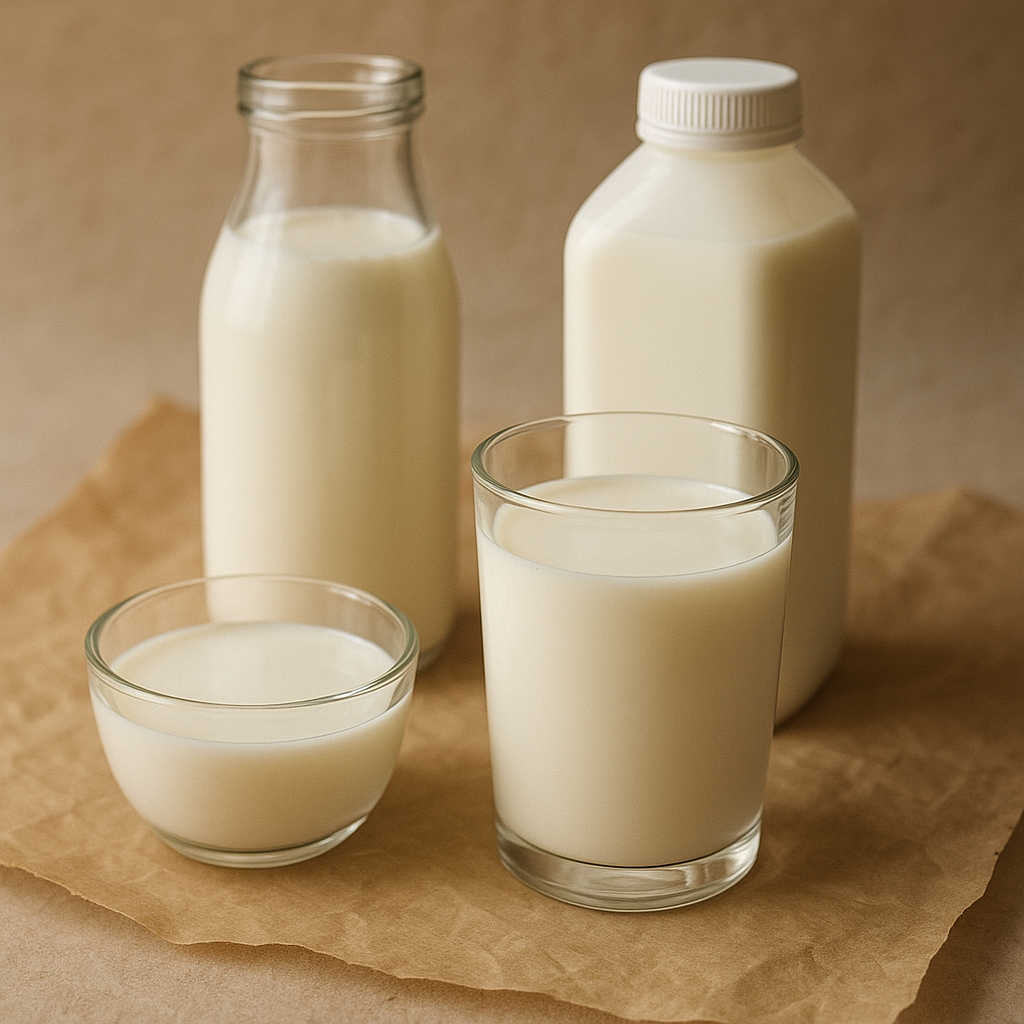
What it is
This is a dairy beverage that has had most of its fat removed. It is pasteurized and homogenized for safety and consistency. The low fat content makes it a lighter option compared to whole milk. It is a common staple in many households, often consumed on its own or used in various culinary applications. The milk is typically white and has a smooth texture.
How people cook with it
Lowfat milk is a versatile ingredient that can be enjoyed in many ways. It is a common addition to beverages and baked goods.
- In cereal
- For smoothies
- In baking
- As a drink
People often pour 1% lowfat milk over breakfast cereals to add moisture and flavor. It can also be blended into smoothies with fruits and other ingredients for a creamy texture. In baking, it serves as a liquid component in recipes for cakes, muffins, and pancakes, contributing to their structure and moisture. It is also frequently consumed as a standalone beverage, chilled and served in a glass. Its mild flavor makes it a good base for sauces and gravies.
How it differs from similar foods
Compared to whole milk, 1% lowfat milk contains significantly less fat, resulting in a thinner consistency and a less rich flavor profile. Skim milk, on the other hand, has virtually no fat, making it even thinner and more watery than 1% milk. The fat content influences the mouthfeel and how well it emulsifies in certain recipes.
Who it is for
This is a common choice for individuals and families looking for a lighter dairy option.
How to keep the rest
After opening, store the remaining milk in its original container in the refrigerator. Keep the carton tightly sealed to prevent spoilage and absorption of odors from other foods. It is best to consume the milk before the expiration date printed on the packaging for optimal freshness.