
Grocery · 18 pcs
Organic Brown Large Eggs, 18 Count
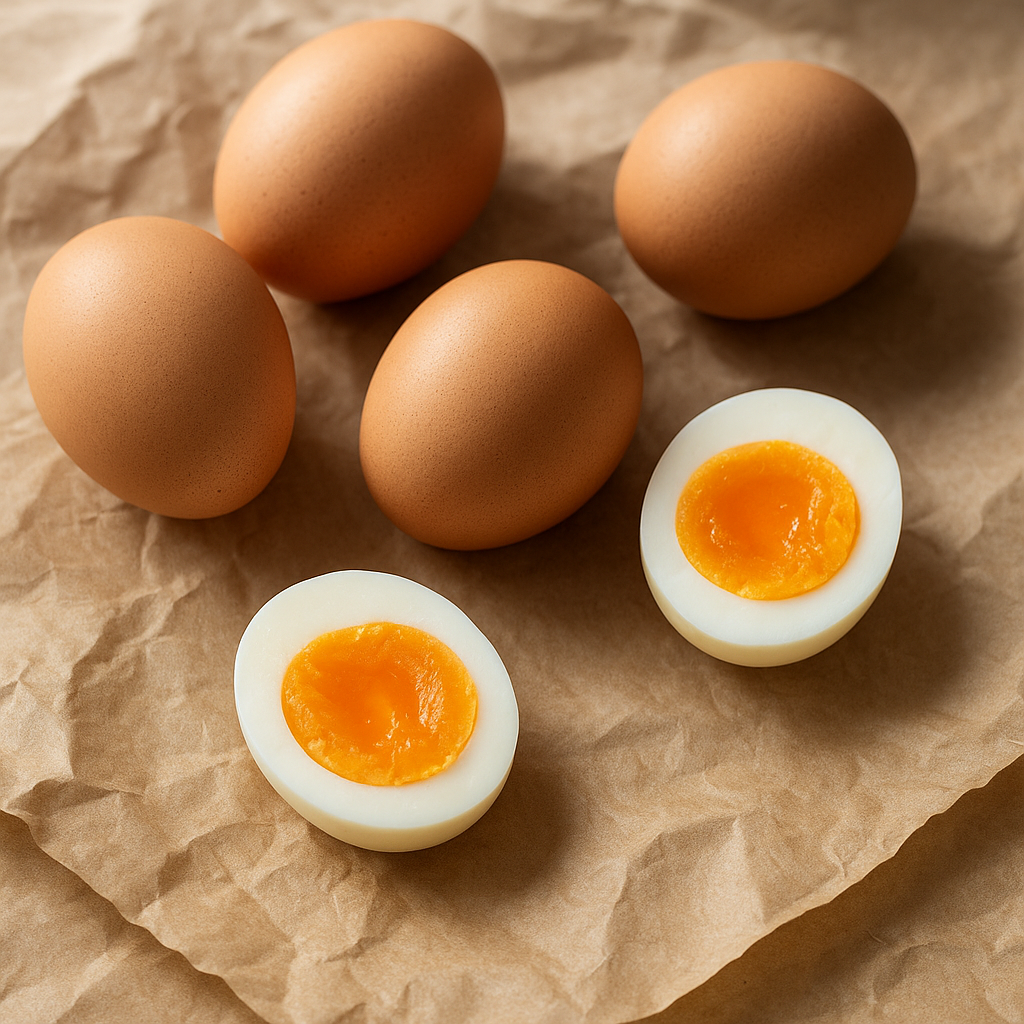
What it is
These are large brown chicken eggs from hens raised on organic feed. The brown color of the shell comes from the breed of the chicken, not from anything added to the feed or the egg itself. Organic eggs are produced by hens that are not given antibiotics or synthetic growth hormones and are fed organic feed.
How people cook with it
Eggs are a fundamental ingredient in countless dishes, both sweet and savory. They can be the star of a meal or a crucial binder and leavening agent in baked goods.
- Scrambled for breakfast
- Baked into cakes
- Fried for sandwiches
- Hard-boiled for snacks
Eggs can be cooked in many ways. They can be scrambled, fried, poached, or boiled. For baking, eggs provide structure, moisture, and richness. They are often whisked with sugar to create light batters or incorporated into custards and sauces. When frying, a medium-high heat with a bit of fat works well for achieving desired textures, from runny yolks to firm whites. For boiling, starting with cold water and bringing it to a boil is a common method to ensure even cooking.
How it differs from similar foods
Brown eggs and white eggs are nutritionally identical. The difference in shell color is solely due to the breed of the hen. Organic eggs differ from conventional eggs because the hens are raised under specific organic standards, including their diet and living conditions, without the use of antibiotics or synthetic hormones.
Who it is for
Home cooks and professional chefs use eggs daily for a wide range of culinary applications.
How to keep the rest
To keep fresh eggs at their best, store them in their original carton in the refrigerator. The carton protects the delicate shells from cracking and prevents the eggs from absorbing odors from other foods. Proper refrigeration helps maintain their quality for several weeks.