
Grocery
Aromatic Basmati Rice
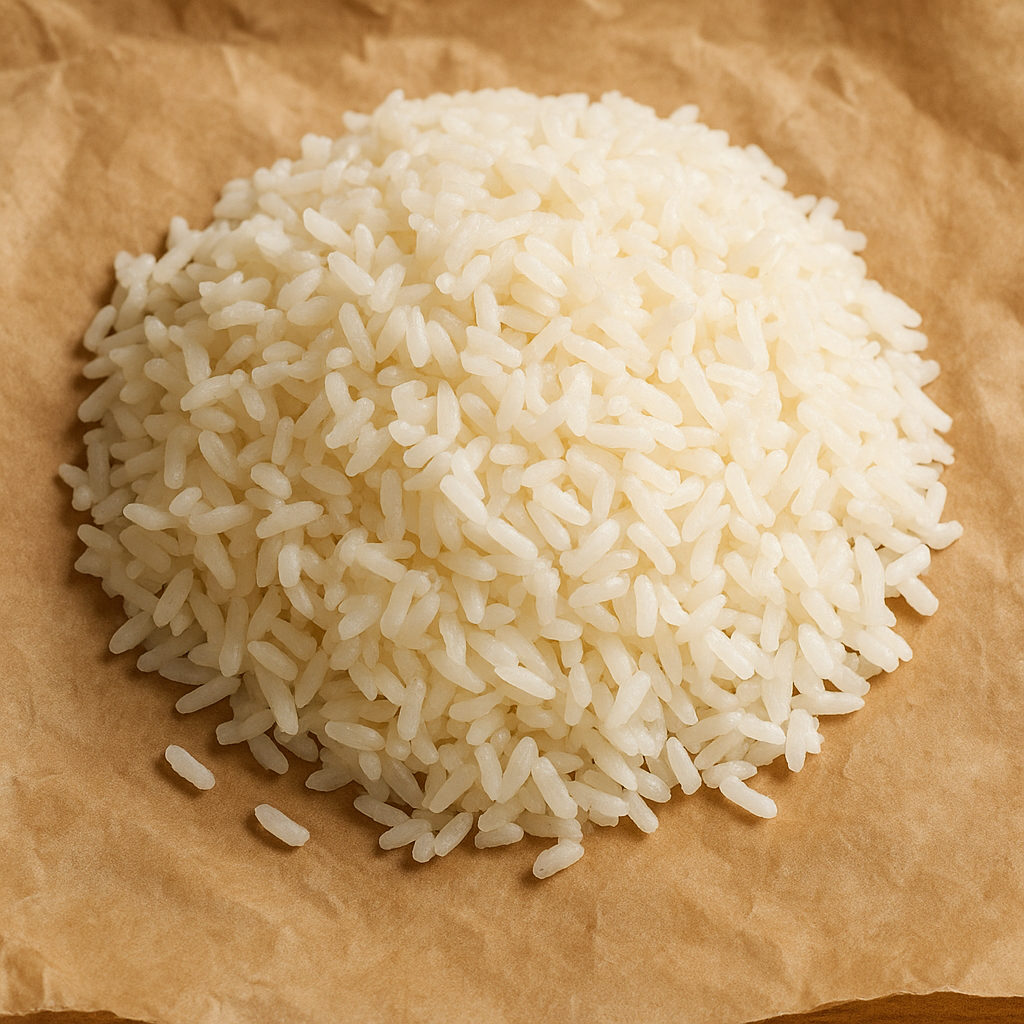
What it is
Basmati rice is a long-grain variety of rice known for its distinctive aroma and delicate flavor. The name 'basmati' translates to 'fragrant' in Sanskrit, a testament to its characteristic scent. When cooked, basmati grains remain separate and fluffy, making it a versatile staple in many cuisines. It is a type of cereal grain, a fundamental food source for many cultures around the world. This particular variety is often favored for its elegant texture and subtle taste.
How people cook with it
This fragrant rice is a perfect accompaniment to a wide range of dishes, from curries to stir-fries. It can also be the star of its own flavorful rice pilafs.
- Side dish for curries
- Base for pilafs
- Ingredient in rice salads
- Accompaniment to grilled meats
To prepare basmati rice, rinse the grains thoroughly under cold water until the water runs clear. This helps remove excess starch, ensuring fluffy, separate grains. For every cup of rice, use about 1.5 to 2 cups of water or broth. Bring the liquid to a boil, then reduce the heat to low, cover tightly, and simmer for 15-20 minutes, or until all the liquid is absorbed. Let it steam, covered, for an additional 5 minutes off the heat before fluffing with a fork. This cooking method preserves its delicate aroma and texture.
How it differs from similar foods
Unlike shorter-grain rice varieties that can become sticky and clumpy when cooked, basmati rice grains are naturally drier and longer. This separation is due to a lower amylose content, which contributes to its fluffy texture and distinct nutty aroma. This makes it ideal for dishes where individual grains are desired.
Who it is for
Home cooks and professional chefs alike choose basmati rice for its superior aroma and texture.
How to keep the rest
Store uncooked basmati rice in a cool, dry place in an airtight container to maintain its freshness and prevent moisture absorption. Once cooked, refrigerate any leftovers promptly in a sealed container. It is best consumed within a few days of cooking.