
Grocery
Baking Powder for Leavening
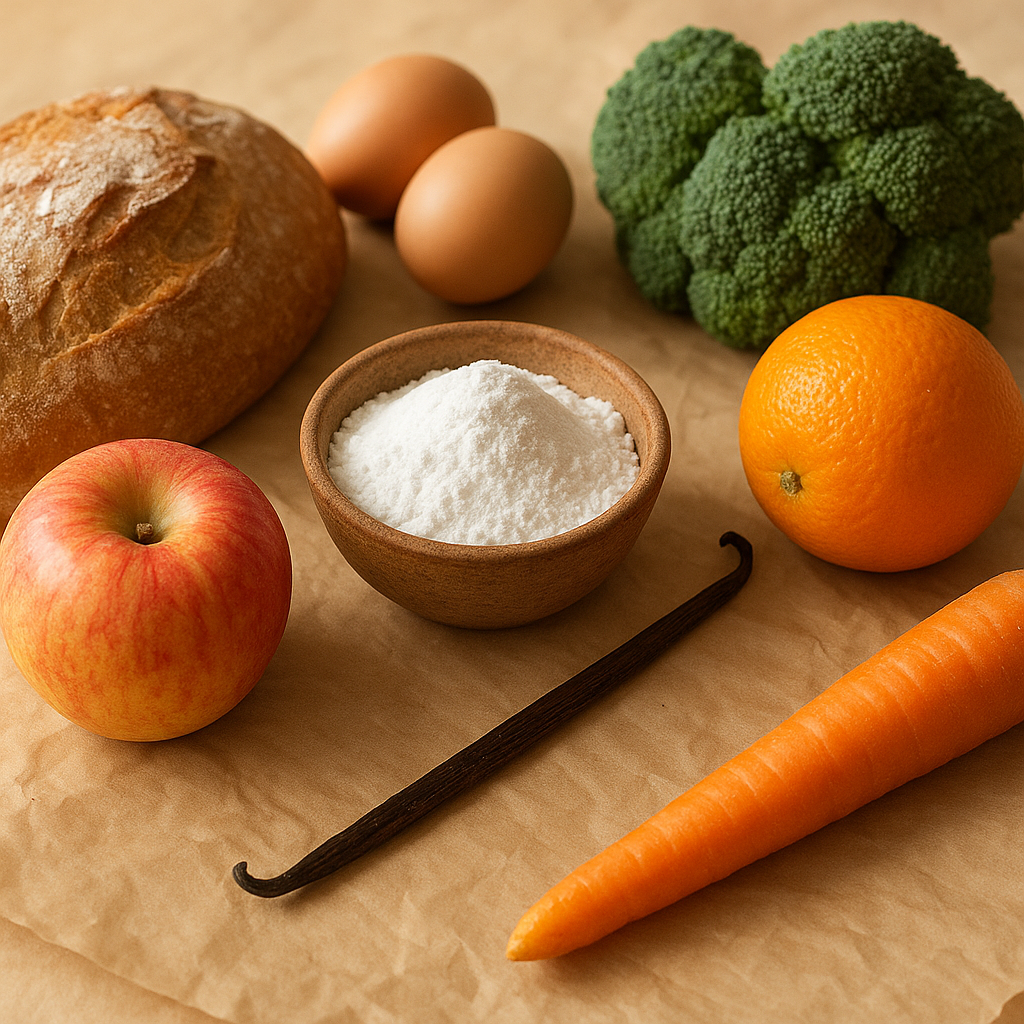
What it is
Baking powder is a dry chemical leavening agent, a mixture of a carbonate or bicarbonate and a weak acid. When exposed to moisture and heat, it produces carbon dioxide gas. This gas causes doughs and batters to rise, creating a lighter and airier texture in baked goods. It is commonly found in kitchens for everyday baking needs.
How people cook with it
This ingredient is essential for achieving a fluffy texture in many baked items. It works by creating bubbles within the batter.
- Leavening cakes
- Making biscuits rise
- Creating fluffy pancakes
- Ensuring tender muffins
Baking powder is typically added directly to dry ingredients, such as flour, sugar, and salt, before wet ingredients are introduced. It reacts in two stages: first when it comes into contact with moisture in the batter, and then again when heated in the oven. Ensure it is evenly distributed throughout the dry mix for consistent results. Overmixing after adding wet ingredients can deflate the batter, so mix just until combined.
How it differs from similar foods
Unlike baking soda, which requires an acidic ingredient to activate, baking powder contains its own acid. This makes it a complete leavening agent, suitable for recipes that may not have other acidic components like buttermilk or lemon juice.
Who it is for
Home bakers and cooks rely on baking powder to achieve desired textures in their creations.
How to keep the rest
To maintain its leavening power, store baking powder in its original airtight container in a cool, dry place. Avoid exposure to humidity, as this can cause it to lose its effectiveness prematurely. Ensure the lid is tightly sealed after each use.