
Grocery
Frozen Atlantic Salmon Fillets
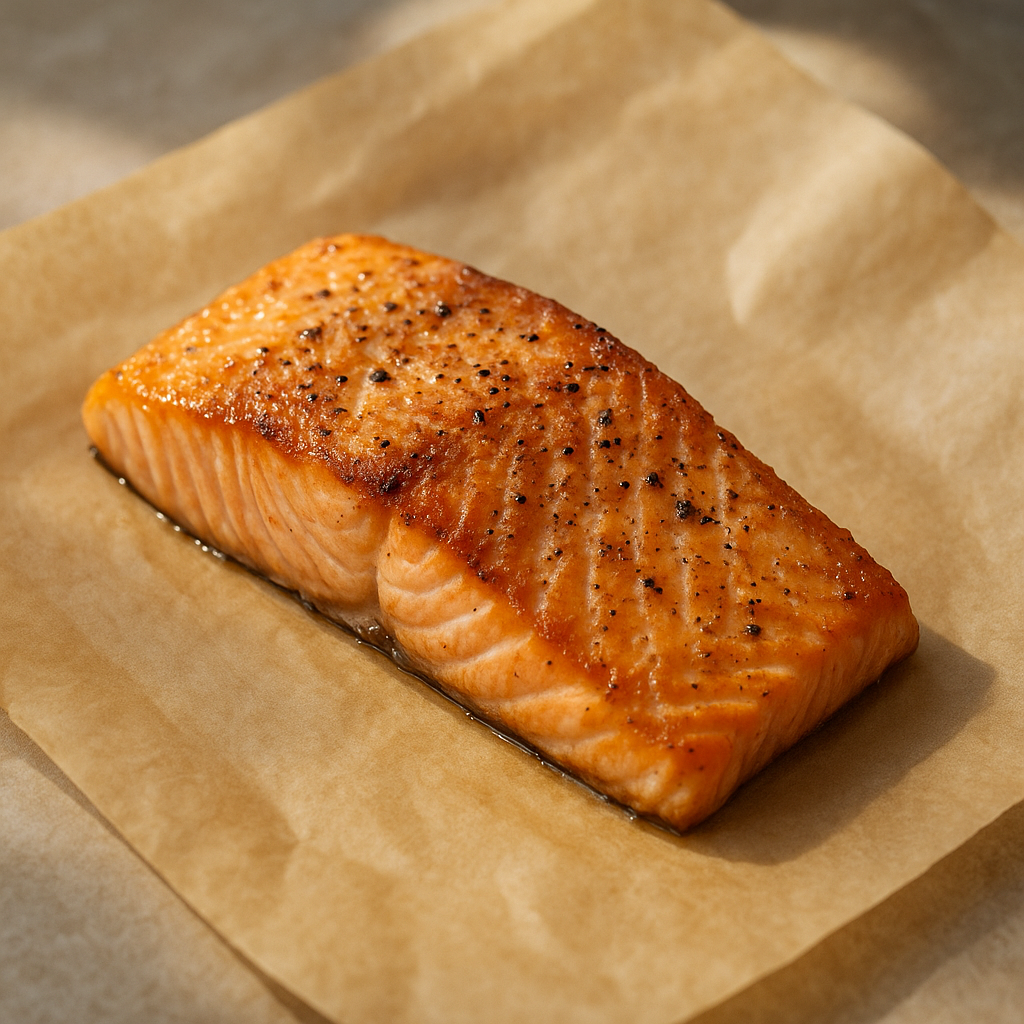
What it is
These are pre-portioned fillets of Atlantic salmon, flash-frozen to preserve their freshness and quality. Atlantic salmon is known for its rich flavor and distinct pink-orange flesh. The freezing process ensures that the fish can be stored for extended periods, making it a convenient option for home cooks. Each fillet is typically skin-on, which can add flavor and help keep the fish moist during cooking.
How people cook with it
Frozen salmon fillets are a versatile ingredient that can be prepared in many ways.
- Baked with herbs
- Pan-seared for a crispy skin
- Grilled for a smoky flavor
- Added to pasta dishes
To prepare frozen salmon fillets, it is best to thaw them completely before cooking. You can do this by placing them in the refrigerator overnight or by using the defrost setting on your microwave. Once thawed, pat the fillets dry with paper towels. This helps to achieve a better sear if pan-frying or grilling. Season the salmon with salt, pepper, and your favorite herbs or spices. Cook until the flesh is opaque and flakes easily with a fork. Avoid overcooking to maintain a moist texture.
How it differs from similar foods
Frozen salmon differs from fresh salmon primarily in its shelf life and convenience. While fresh salmon offers immediate use, frozen salmon provides the flexibility of longer storage. The freezing process can sometimes slightly alter the texture compared to perfectly fresh fish, but high-quality freezing methods minimize this difference.
Who it is for
Home cooks looking for a convenient and readily available source of salmon.
How to keep the rest
Store any unused thawed salmon fillets in an airtight container in the refrigerator. It is best to consume them within one to two days of thawing. Unopened frozen packages should be kept in the freezer at 0°F (-18°C) or below until ready for use.