
UsA
UsA Baking Powder
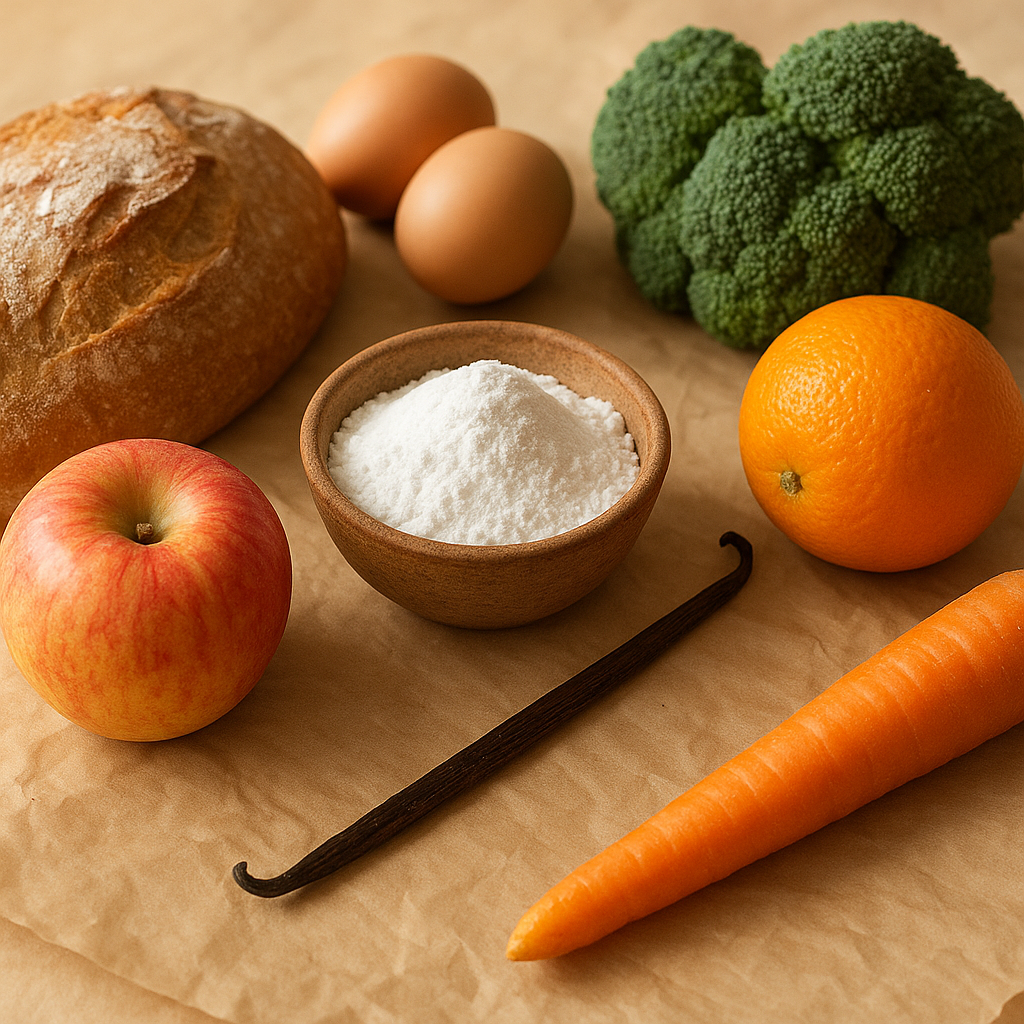
What it is
This is a leavening agent used in baking. It is a dry powder that contains an acid salt and a base, typically sodium bicarbonate. When it comes into contact with moisture and heat, it produces carbon dioxide gas. This gas creates bubbles within the batter or dough, causing it to rise and become light and fluffy. It is a common ingredient in cakes, cookies, muffins, and quick breads.
How people cook with it
Baking powder is essential for achieving a desirable texture in many baked goods. It works quickly to provide lift.
- Leavening for cakes
- Making fluffy pancakes
- Lightening quick breads
- Ensuring tender biscuits
Baking powder is typically added to dry ingredients like flour, sugar, and salt before combining them with wet ingredients. It is important to measure it accurately, as too much can result in a bitter taste or an overly rapid rise that causes baked goods to collapse. It reacts immediately upon mixing with wet ingredients, so batters and doughs should be baked promptly after preparation to maximize its leavening power. It is a complete leavener, meaning it contains both the acid and base needed for the reaction.
How it differs from similar foods
Unlike baking soda, which requires an acidic ingredient in the recipe to activate, baking powder is double-acting. It releases some gas when mixed with liquid and more gas when exposed to heat in the oven. This provides a more sustained lift throughout the baking process.
Who it is for
Home bakers and professional chefs rely on this ingredient for consistent results.
How to keep the rest
To maintain its effectiveness, store baking powder in its original container in a cool, dry place, away from humidity. Ensure the lid is tightly sealed after each use. Exposure to moisture can cause it to lose its leavening power prematurely.