
Harris Teeter
Harris Teeter Apple Cider Vinegar
What it is
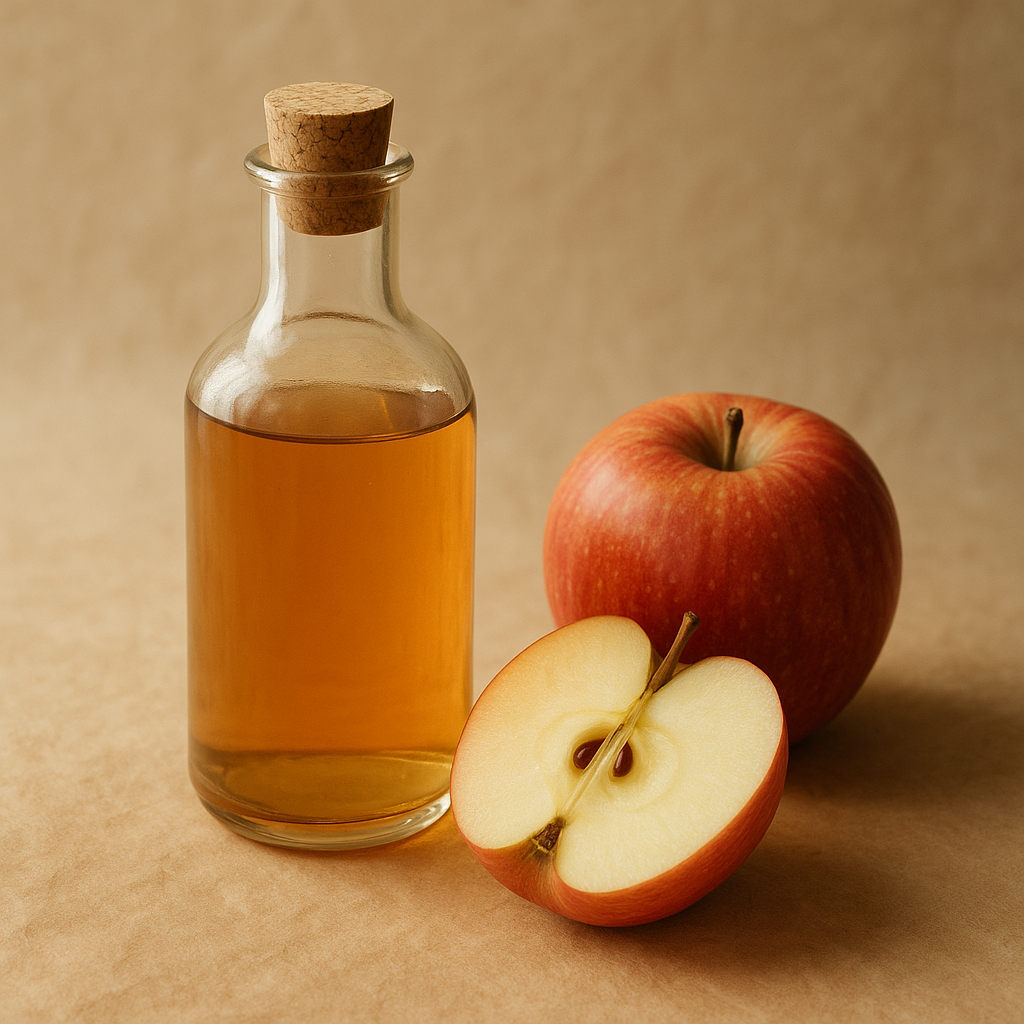
This is a fermented apple juice that has been converted into vinegar. It has a distinct tart and slightly sweet flavor profile. The liquid is typically amber in color and can sometimes appear cloudy due to the presence of the 'mother,' a beneficial culture of bacteria and yeast. It is a versatile ingredient commonly found in kitchens.
How people cook with it
Apple cider vinegar is a staple for many home cooks. It adds a bright acidity to dishes and is used in various preparations.
- Marinades for meats
- Salad dressings
- Pickling brines
- Sauces and glazes
In cooking, apple cider vinegar can be used to tenderize meats in marinades, adding a subtle tang. It is a key component in many vinaigrettes, balancing the richness of oil. It can also be incorporated into barbecue sauces or glazes for pork and chicken, providing a zesty counterpoint to sweetness. For preserving vegetables, it forms the base of pickling liquids, imparting its characteristic flavor. A small amount can even be added to baked goods for a touch of brightness.
How it differs from similar foods
Compared to white distilled vinegar, apple cider vinegar offers a fruitier, less harsh acidity. Its flavor is more complex and less sharp than white vinegar. It also has a different color, being amber rather than clear.
Who it is for
Home cooks and bakers who enjoy adding nuanced flavors to their meals.
How to keep the rest
After opening, store the apple cider vinegar in a cool, dark place, such as a pantry. Ensure the cap is tightly sealed to maintain its quality and prevent evaporation. It does not typically require refrigeration.