
Grocery
Fresh Yellow Banana
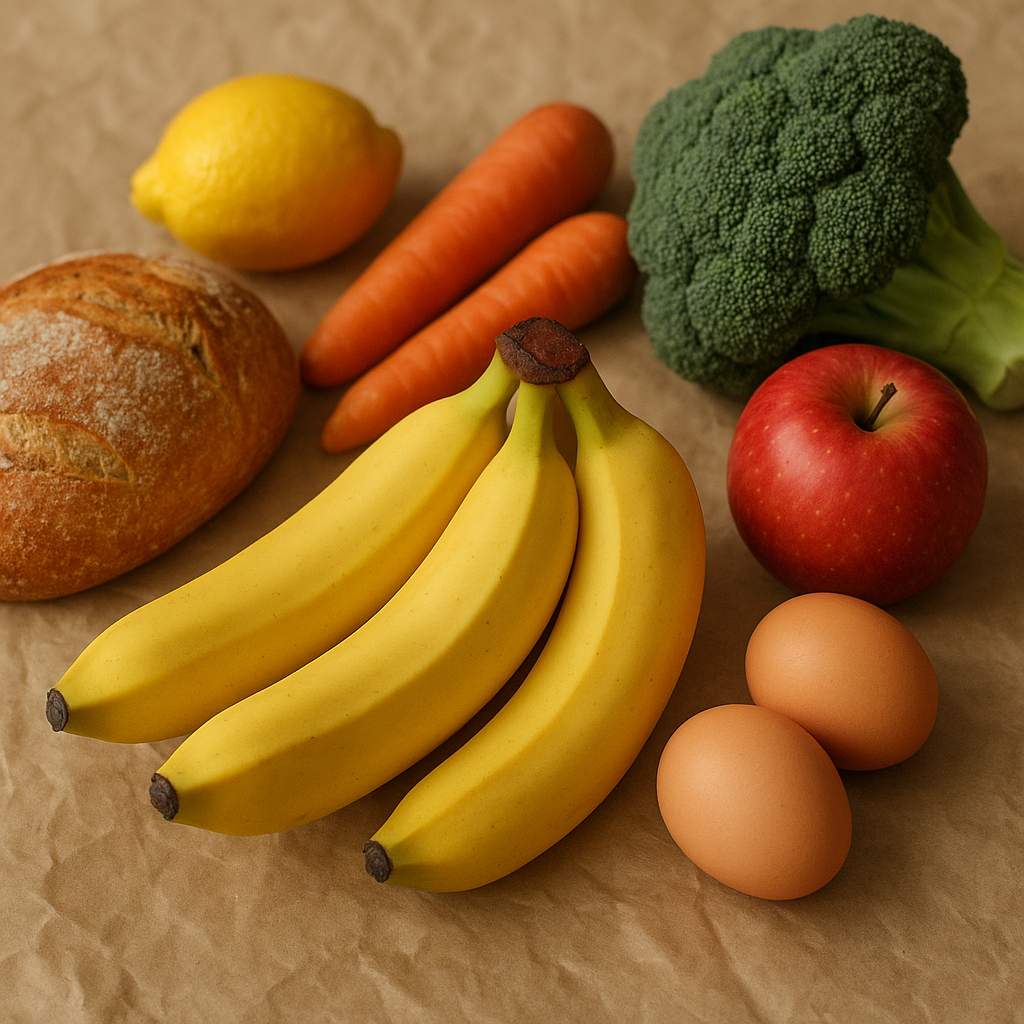
What it is
This is a common tropical fruit, known for its distinctive curved shape and soft, starchy flesh. It typically has a yellow peel when ripe, though some varieties may have green or red skins. The fruit is naturally sweet and provides a satisfying texture. It grows in bunches on banana plants, which are technically large herbaceous flowering plants rather than trees. The fruit is a popular snack and ingredient worldwide.
How people cook with it
Bananas are incredibly versatile in the kitchen. They can be enjoyed on their own or incorporated into a wide range of dishes.
- Snack on the go
- Blend into smoothies
- Mash into baked goods
- Top breakfast bowls
To prepare a banana, simply peel back its skin. The flesh can be eaten raw as a quick snack or dessert. For baking, ripe bananas are often mashed to add moisture and sweetness to muffins, breads, and cakes. They also blend smoothly into milk or yogurt for creamy smoothies. Sliced bananas are a popular topping for cereal, oatmeal, pancakes, and waffles, adding a natural sweetness and soft texture to morning meals. They can also be grilled or fried for a warm dessert.
How it differs from similar foods
Compared to other fruits, bananas have a unique creamy texture and a distinctively sweet, mild flavor profile. Their high starch content when less ripe makes them suitable for cooking, while their natural sugars develop as they ripen, making them ideal for raw consumption. They are also known for their convenient natural packaging.
Who it is for
Home cooks and individuals looking for a convenient and naturally sweet fruit.
How to keep the rest
Store unripe bananas at room temperature away from direct sunlight. Once ripe, they can be kept at room temperature for a few days or refrigerated to slow down the ripening process. Refrigeration may cause the peel to darken, but the fruit inside will remain good to eat.