
Grocery
Artisan Bread Loaf
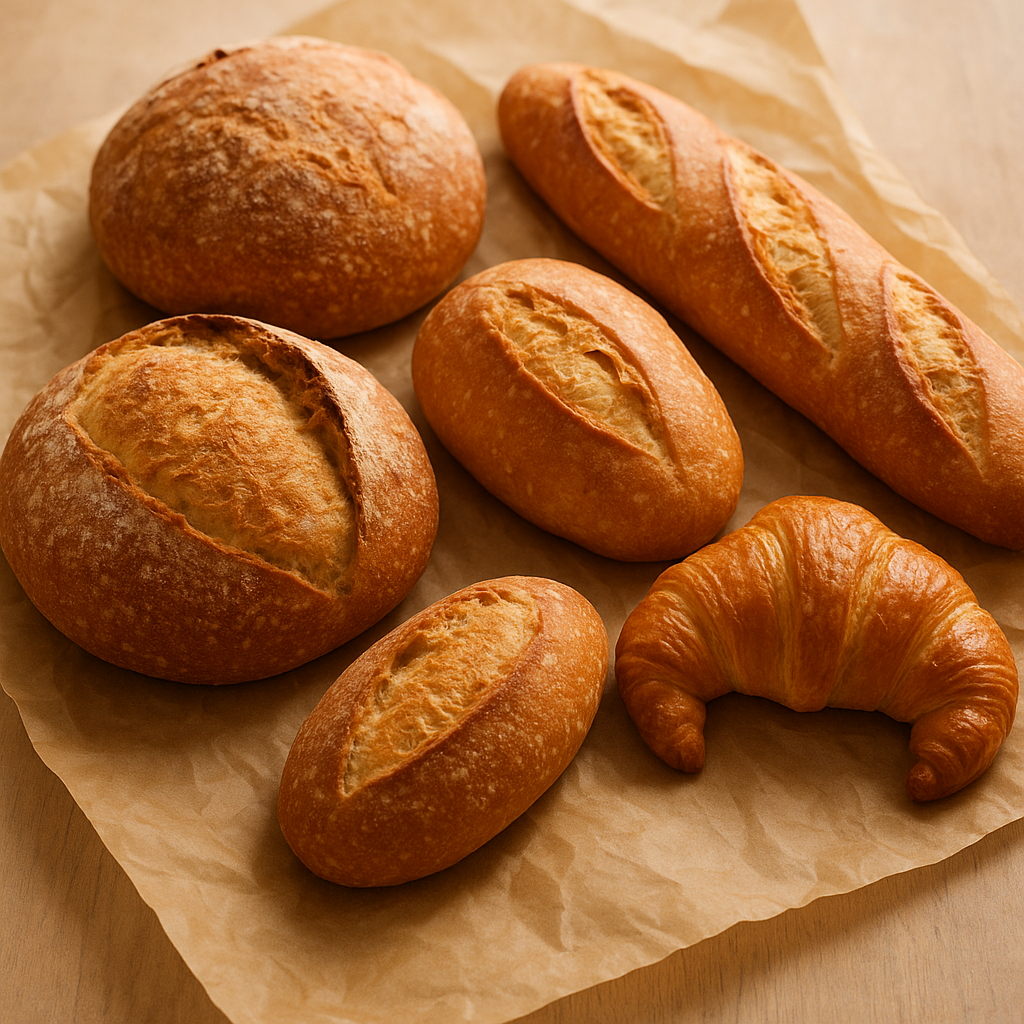
What it is
This is a rustic loaf of bread, typically made with a simple combination of flour, water, yeast, and salt. It is often characterized by its thick, crackly crust and a soft, airy interior with irregular holes. The baking process often involves high heat and steam, which contributes to its distinctive texture and flavor. The dough undergoes a long fermentation, developing complex flavors that are not found in mass-produced breads. It is a staple food enjoyed in many cultures.
How people cook with it
This versatile bread is perfect for a wide range of culinary applications, from simple sandwiches to elegant appetizers.
- Sandwich base
- Toasted for breakfast
- Dipped in soup
- Served with cheese
To enjoy this bread at its best, slice it just before serving. It can be lightly toasted to enhance its crusty texture or served at room temperature. It pairs wonderfully with butter, olive oil, or your favorite spreads. For a more substantial meal, use it as the foundation for sandwiches or alongside hearty stews and soups. The open crumb structure makes it ideal for soaking up flavorful sauces and broths. Reheating in a moderate oven can revive its freshness if it has become slightly stale.
How it differs from similar foods
Unlike softer, pre-sliced sandwich breads, artisan loaves have a chewier texture and a more pronounced crust. The longer fermentation process also gives it a deeper, more complex flavor profile compared to breads made with commercial yeast and shorter rising times. The irregular crumb structure is a hallmark of its handcrafted nature.
Who it is for
Home cooks and food enthusiasts who appreciate rustic, flavorful bread will enjoy this loaf.
How to keep the rest
Once opened, store any remaining bread in a bread box or a paper bag at room temperature to maintain its crust. Avoid refrigerating, as this can make the crust tough and the interior dry. If you need to store it for longer, consider freezing slices or the whole loaf, wrapped tightly in plastic wrap and then in foil.