
Grocery
Farm Fresh Large Eggs
What it is
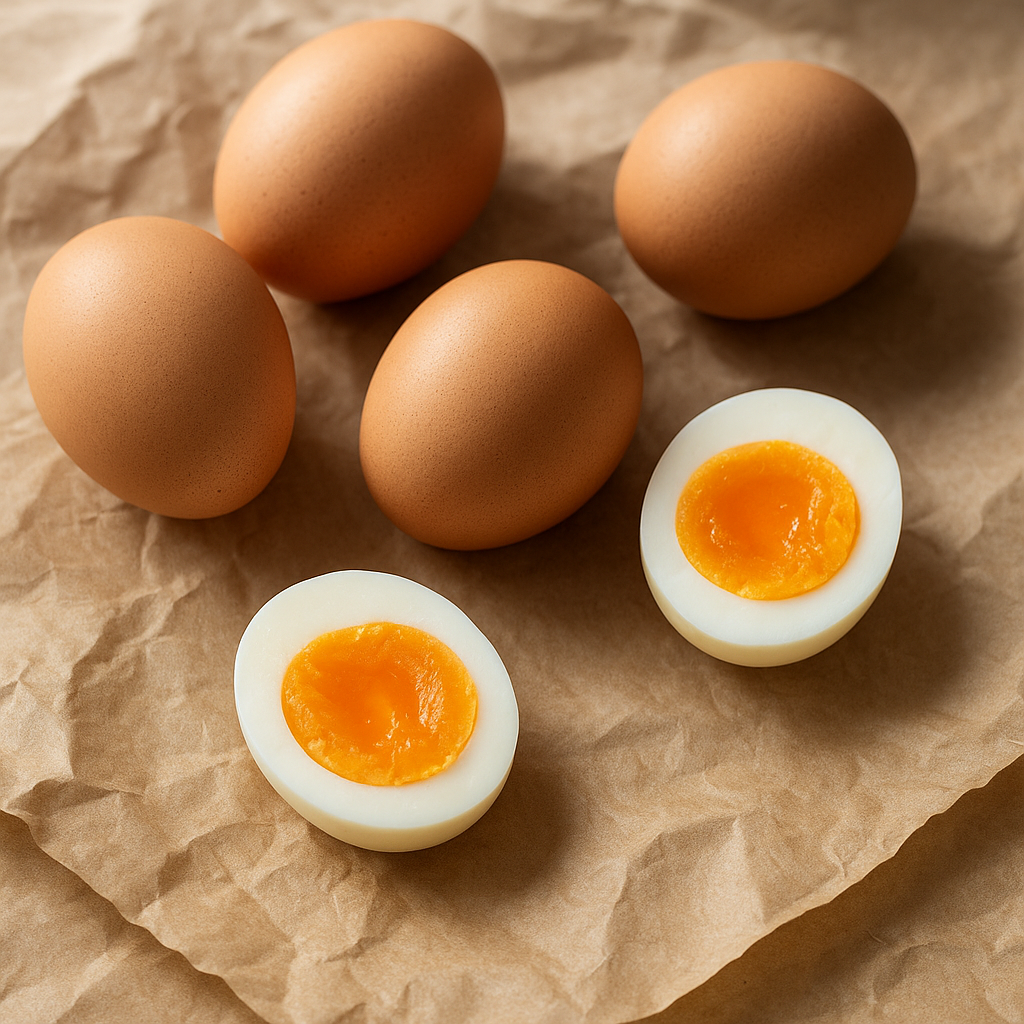
These are large chicken eggs, a staple ingredient found in kitchens worldwide. They are laid by hens and are known for their versatility in cooking and baking. Each egg typically contains a white and a yolk, encased in a protective shell. The size designation refers to the average weight of the egg.
How people cook with it
Eggs are fundamental to many culinary preparations, both sweet and savory. They can be the star of a dish or a crucial binder and leavening agent.
- Scrambled for breakfast
- Baked into cakes
- Fried for sandwiches
- Used as a binder in meatballs
Eggs can be prepared in numerous ways. For breakfast, they are often scrambled, fried, or poached. In baking, eggs contribute to the structure and richness of cakes, cookies, and pastries. They also act as emulsifiers, helping to combine ingredients that would otherwise separate, such as in mayonnaise or hollandaise sauce. When beaten, egg whites can create a light and airy texture, essential for meringues and soufflés. The yolk provides richness and helps to thicken sauces and custards.
How it differs from similar foods
Large eggs are the standard size for most recipes. Smaller eggs might require adjustments in quantity for consistent results, while extra-large eggs could make batters slightly wetter. The difference is primarily in weight and volume, impacting the final texture of baked goods.
Who it is for
Home cooks and professional chefs alike rely on eggs for a wide range of culinary creations.
How to keep the rest
To maintain freshness, store uncooked eggs in their original carton in the refrigerator. Keep them on an inside shelf, not in the door, where temperatures fluctuate more. This helps prevent them from absorbing odors and keeps them at a consistent cool temperature.