
Grocery
Fresh White Garlic
What it is
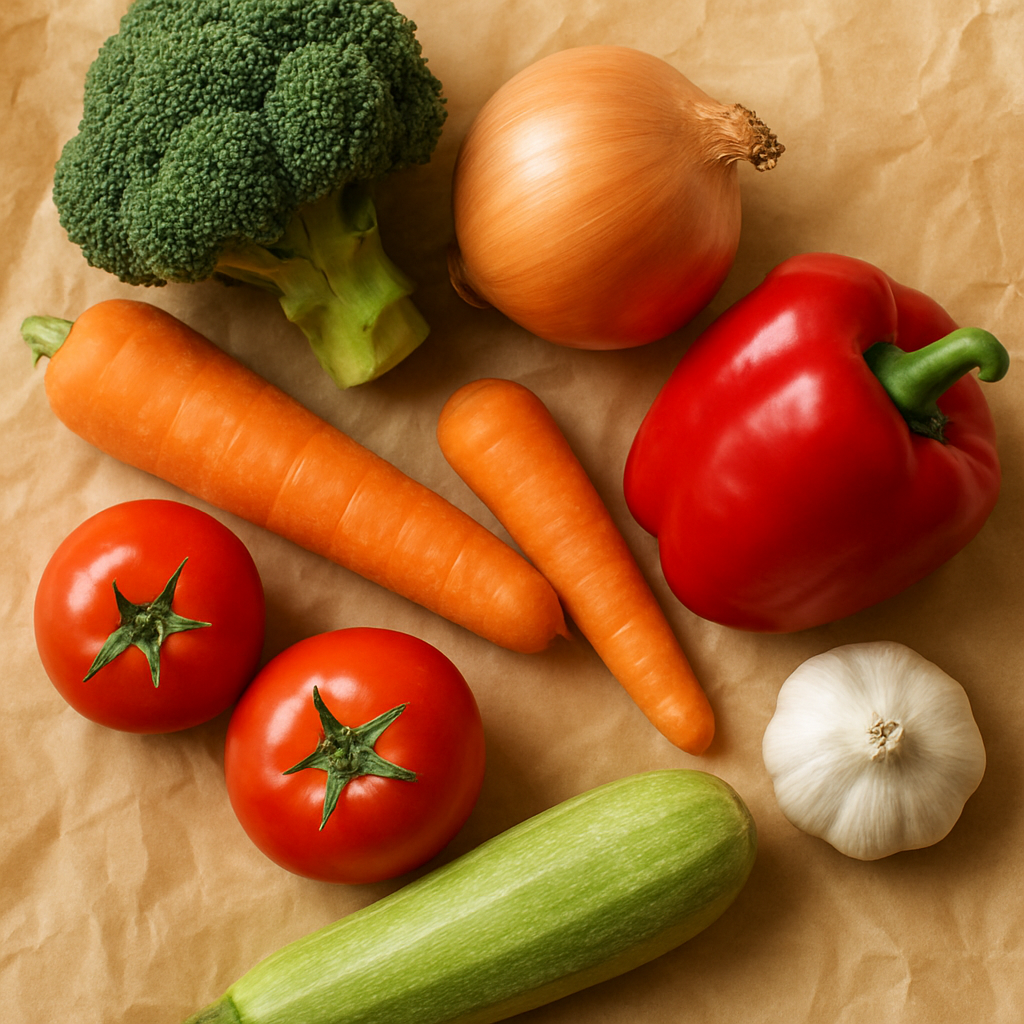
This is a bulb of fresh white garlic, a common culinary ingredient known for its pungent aroma and flavor. Each bulb is composed of multiple cloves, which are the individual segments used in cooking. The papery outer skin is typically removed before use, revealing the firm, white flesh beneath. Garlic is a staple in kitchens worldwide, valued for its versatility and ability to enhance a wide range of dishes.
How people cook with it
Garlic is a fundamental ingredient used to add depth and aroma to countless savory preparations. It can be used in both raw and cooked applications.
- Sautéed with onions for a flavor base
- Minced into marinades for meats
- Roasted whole for a milder taste
- Crushed into dressings and sauces
To prepare garlic, begin by peeling away the dry, papery outer layers. You can then mince the cloves finely for maximum flavor distribution, slice them for a more subtle presence, or leave them whole for a mellow sweetness, especially when roasted. Garlic can be added early in the cooking process to infuse oils and fats, or later to retain a sharper, more pronounced taste. Roasting garlic mellows its intensity, making it spreadable and sweet, perfect for adding to dips or spreading on bread.
How it differs from similar foods
White garlic is the most common variety, offering a balanced, pungent flavor. Other varieties, like elephant garlic, are larger and milder, while black garlic undergoes fermentation, resulting in a sweet, balsamic taste and a soft texture.
Who it is for
Home cooks and professional chefs alike rely on garlic to build complex flavor profiles in their cooking.
How to keep the rest
Store whole, unpeeled garlic bulbs in a cool, dry, and dark place with good air circulation. Avoid refrigerating, as this can cause it to sprout or become moldy. Once cloves are separated or peeled, they should be used promptly or stored in an airtight container in the refrigerator for a shorter period.