
Grocery
Organic Large Brown Eggs
What it is
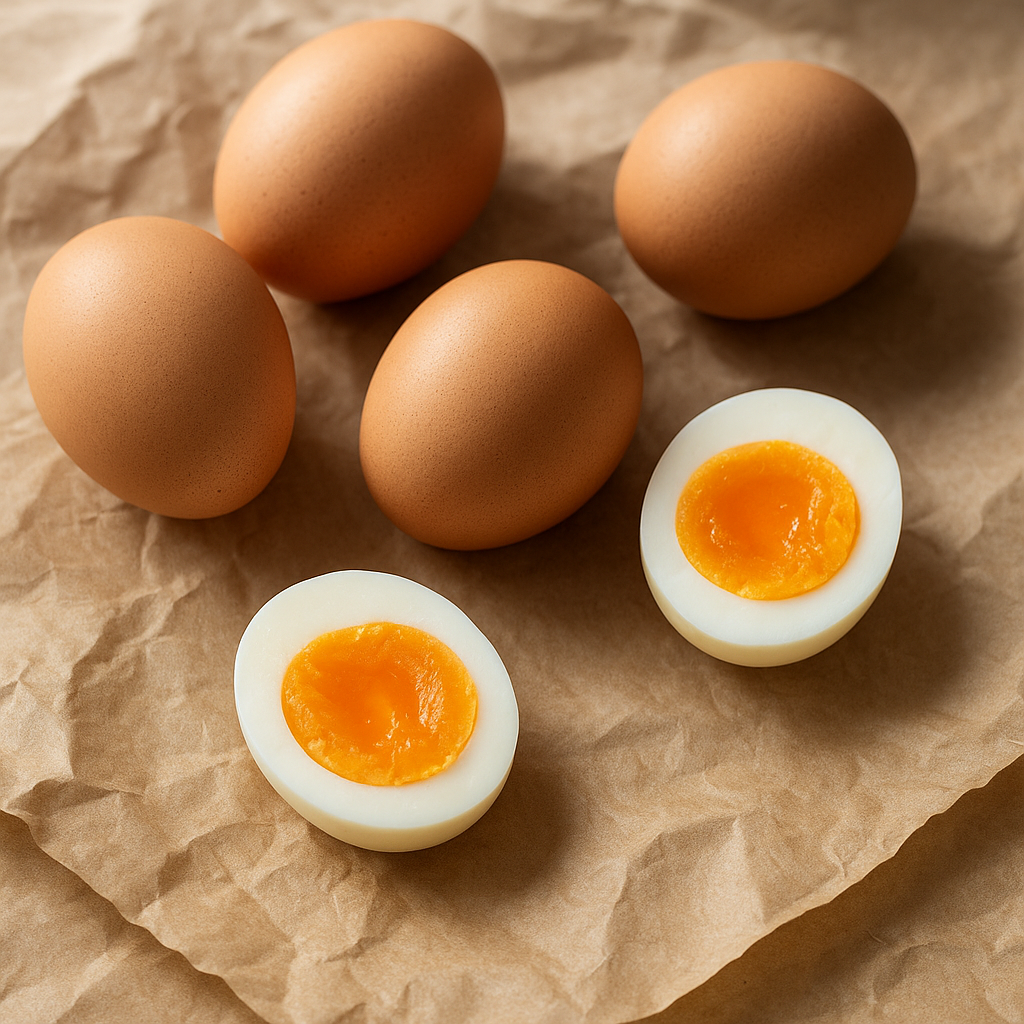
These are large chicken eggs produced by hens raised on certified organic farms. The organic certification indicates that the hens are fed a diet of organic feed, free from synthetic pesticides and fertilizers. These eggs are a staple in many kitchens, valued for their versatility and natural goodness.
How people cook with it
Eggs are a fundamental ingredient in countless dishes, from simple breakfasts to elaborate desserts. Their unique properties allow them to bind, leaven, emulsify, and add richness.
- Scrambled for breakfast
- Baked into cakes
- Fried for sandwiches
- Whisked into sauces
Eggs can be prepared in numerous ways. For a quick meal, they can be fried, scrambled, or poached. They are essential for baking, where they contribute to the structure and texture of cakes, cookies, and breads. In savory cooking, they are used to create custards, quiches, and omelets. They also serve as a binder in meatballs and burgers, and as a thickening agent in sauces and soups. The freshness of the egg is important for achieving the best results in delicate preparations.
How it differs from similar foods
The primary difference between these organic eggs and conventional eggs lies in the farming practices. Organic eggs come from hens that have access to the outdoors and are fed certified organic feed, without the use of synthetic pesticides or genetically modified organisms. The shell color, brown versus white, is determined by the hen's breed and has no bearing on the egg's quality or taste.
Who it is for
Home cooks and professional chefs alike choose these eggs for their quality and the assurance of organic farming standards.
How to keep the rest
To maintain freshness, store these eggs in their original carton in the refrigerator. Keep them on a shelf, not in the door, as the temperature is more consistent there. Properly stored, they can last for several weeks beyond their expiration date.