
Grocery
Apple Cider Vinegar
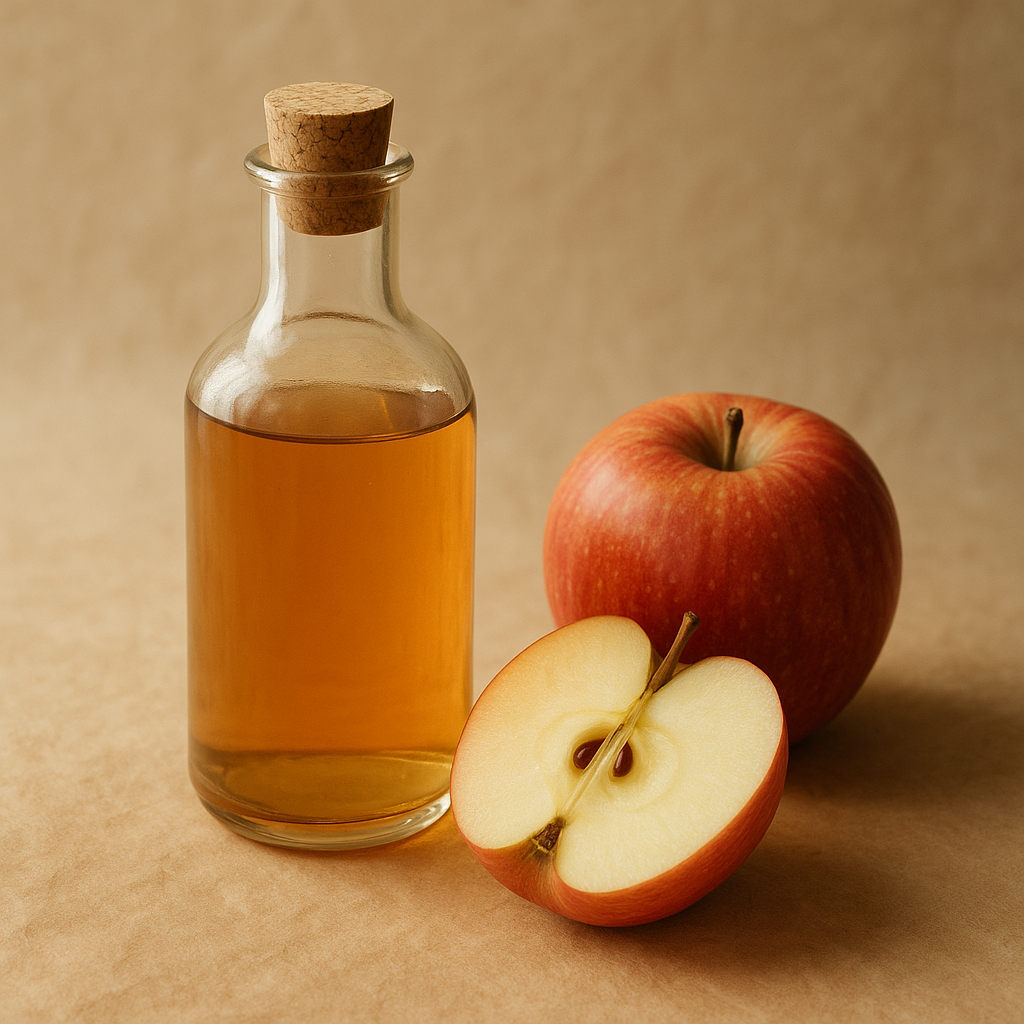
What it is
This is a fermented liquid made from pressed apples. The fermentation process converts the apple sugars into alcohol, and then into acetic acid. This gives apple cider vinegar its characteristic tart and tangy flavor. It is a versatile ingredient often found in kitchens for various culinary and household uses. The natural cloudiness, often referred to as the 'mother,' is a sign of beneficial bacteria and enzymes.
How people cook with it
Apple cider vinegar is a staple for many home cooks. It adds depth and brightness to a wide range of dishes.
- Salad dressings
- Marinades
- Pickling brines
- Sauce bases
In cooking, apple cider vinegar is frequently used to balance rich flavors or to tenderize meats. It can be incorporated into vinaigrettes for a zesty kick, or used in marinades to break down proteins, making them more tender. It also plays a role in making pickles and chutneys, providing a crucial acidic component that aids in preservation and flavor development. A small amount can also be added to baked goods to react with leavening agents, contributing to a lighter texture.
How it differs from similar foods
Compared to white distilled vinegar, apple cider vinegar has a fruitier aroma and a milder, more complex flavor profile due to its apple origin. It is less sharp than white vinegar, making it suitable for applications where a gentler acidity is desired.
Who it is for
Home cooks and bakers who appreciate a balance of sweet and tart flavors in their creations.
How to keep the rest
To maintain its quality, store unopened bottles in a cool, dark pantry. Once opened, it can be kept at room temperature. Refrigeration is not typically necessary but can help preserve its potency and prevent further fermentation over extended periods.