
Grocery
Apple Cider Vinegar
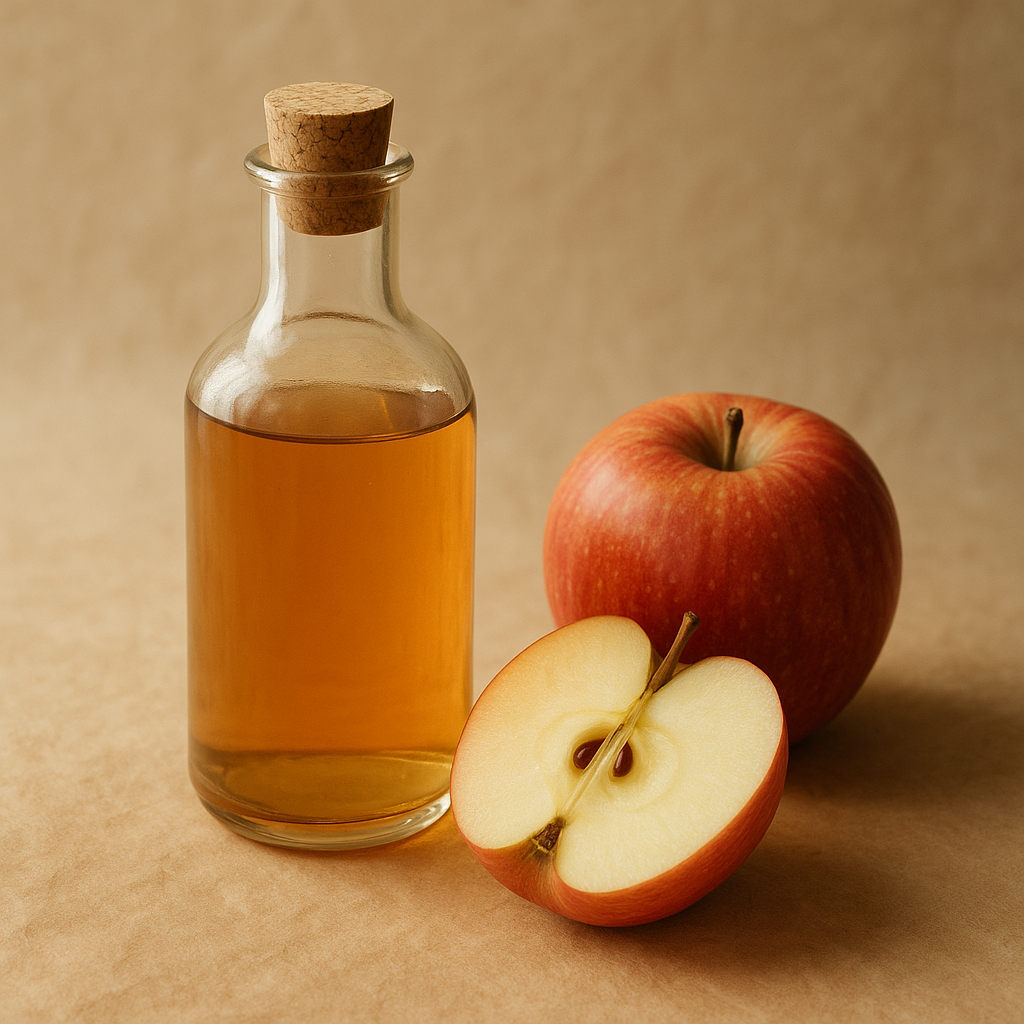
What it is
This is a fermented liquid made from crushed apples. The fermentation process converts the apple sugars into alcohol, and then further into acetic acid. This gives apple cider vinegar its characteristic tart and tangy flavor. It is often sold unfiltered, which means it may contain a cloudy sediment called the 'mother,' a collection of beneficial bacteria and enzymes. This type of vinegar is a versatile ingredient in many kitchens.
How people cook with it
Apple cider vinegar is a staple for both cooking and other household uses. Its bright acidity can enhance a wide range of dishes and preparations.
- Salad dressings
- Marinades
- Pickling brines
- Household cleaning
In cooking, apple cider vinegar is frequently used to add a sharp, bright note to dishes. It can be a key component in homemade salad dressings, providing a balance to creamy or oily ingredients. It also works well in marinades for meats, helping to tenderize them and add a layer of flavor. For preserving foods, it is often used in pickling brines to create a tangy and crisp texture. Beyond the kitchen, its acidic properties make it useful for cleaning surfaces and as a natural deodorizer.
How it differs from similar foods
Compared to white vinegar, apple cider vinegar has a fruitier aroma and a milder, more complex flavor profile. Distilled white vinegar is typically sharper and more purely acidic, making it ideal for specific cleaning tasks or recipes where a neutral acidity is desired. Apple cider vinegar brings a subtle apple undertone.
Who it is for
Home cooks and bakers often keep apple cider vinegar on hand for its culinary versatility.
How to keep the rest
To maintain its quality, store unopened apple cider vinegar in a cool, dark place like a pantry. Once opened, it can be kept at room temperature. Refrigeration is not typically necessary, but it can help preserve its potency and prevent cloudiness from developing further if you prefer a clearer vinegar.