
.
Dried Lentils
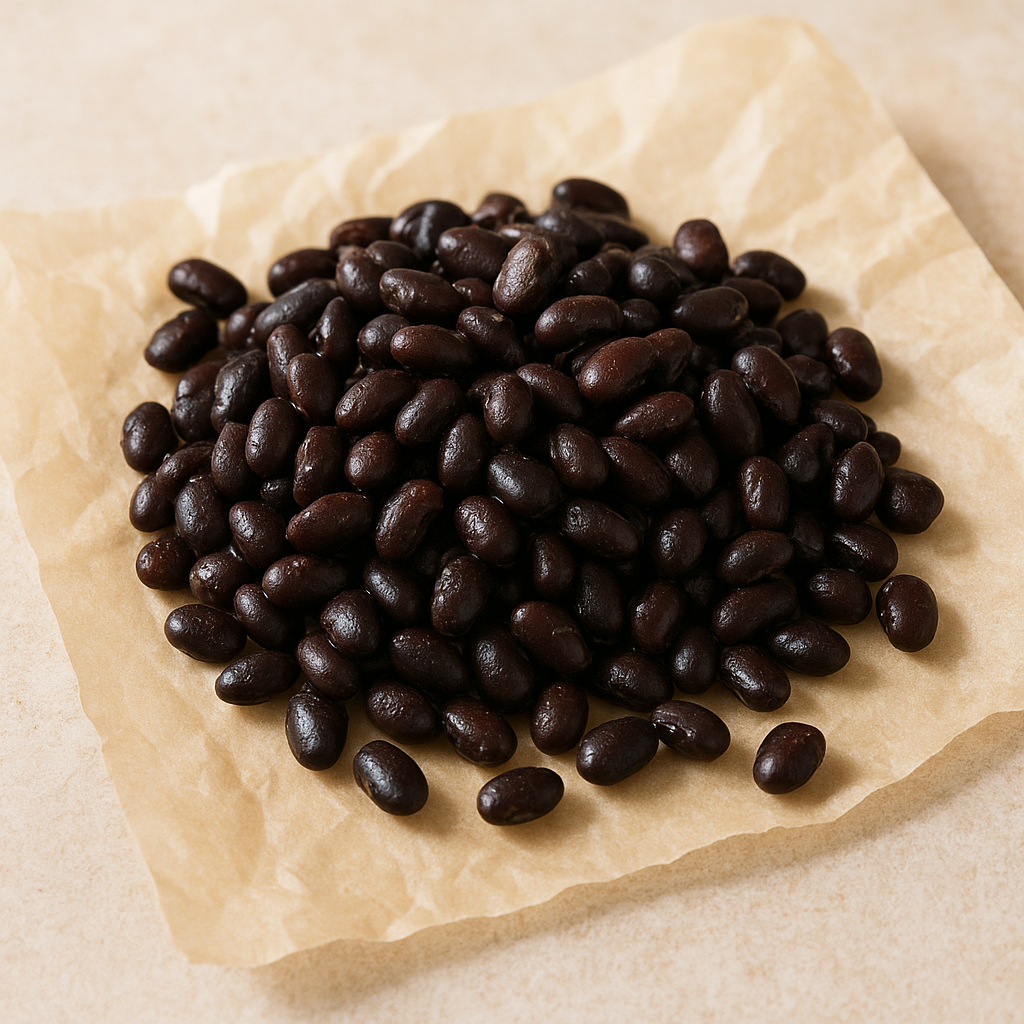
What it is
These are small, earthy legumes that have been dried for preservation. They are a staple in many cuisines, offering a hearty texture and mild flavor. Lentils come in various colors, each with subtle differences in cooking time and texture. They are a versatile pantry item, providing a good source of plant-based sustenance. Their natural state means they are ready to be rehydrated and incorporated into a wide range of dishes. They are a foundational ingredient for many home cooks.
How people cook with it
Dried lentils are a foundational ingredient for creating satisfying meals. They absorb flavors beautifully and can be used in both simple and complex preparations.
- Soups and stews
- Salads
- Side dishes
- Dips and spreads
Before cooking, rinse the dried lentils under cold water to remove any debris. While some recipes call for soaking, many varieties do not require it and can be cooked directly. Combine the rinsed lentils with water or broth in a pot, typically a ratio of one part lentils to three parts liquid. Bring to a boil, then reduce heat and simmer until tender. Cooking time varies by lentil type, from about 20 minutes for red lentils to 40 minutes for green or brown lentils. They are ready when they are soft but still hold their shape.
How it differs from similar foods
Unlike canned lentils, dried lentils offer greater control over texture and seasoning. They require cooking from scratch, allowing for a fresher taste and the ability to customize their firmness. Different varieties, like red or green, cook to different consistencies, with red lentils breaking down more easily than firmer green ones.
Who it is for
Home cooks seeking to build flavorful and filling meals will find these useful.
How to keep the rest
Store dried lentils in an airtight container in a cool, dark, and dry place. Properly stored, they can maintain their quality for a long time, making them an excellent pantry staple. Avoid exposure to moisture or heat, which can affect their shelf life and cooking performance.