
adamadam@gmil.com · Exemples:2l,250g,1kg,25cl,6 onces liquides,1 livre
Adam's Olive Oil
What it is
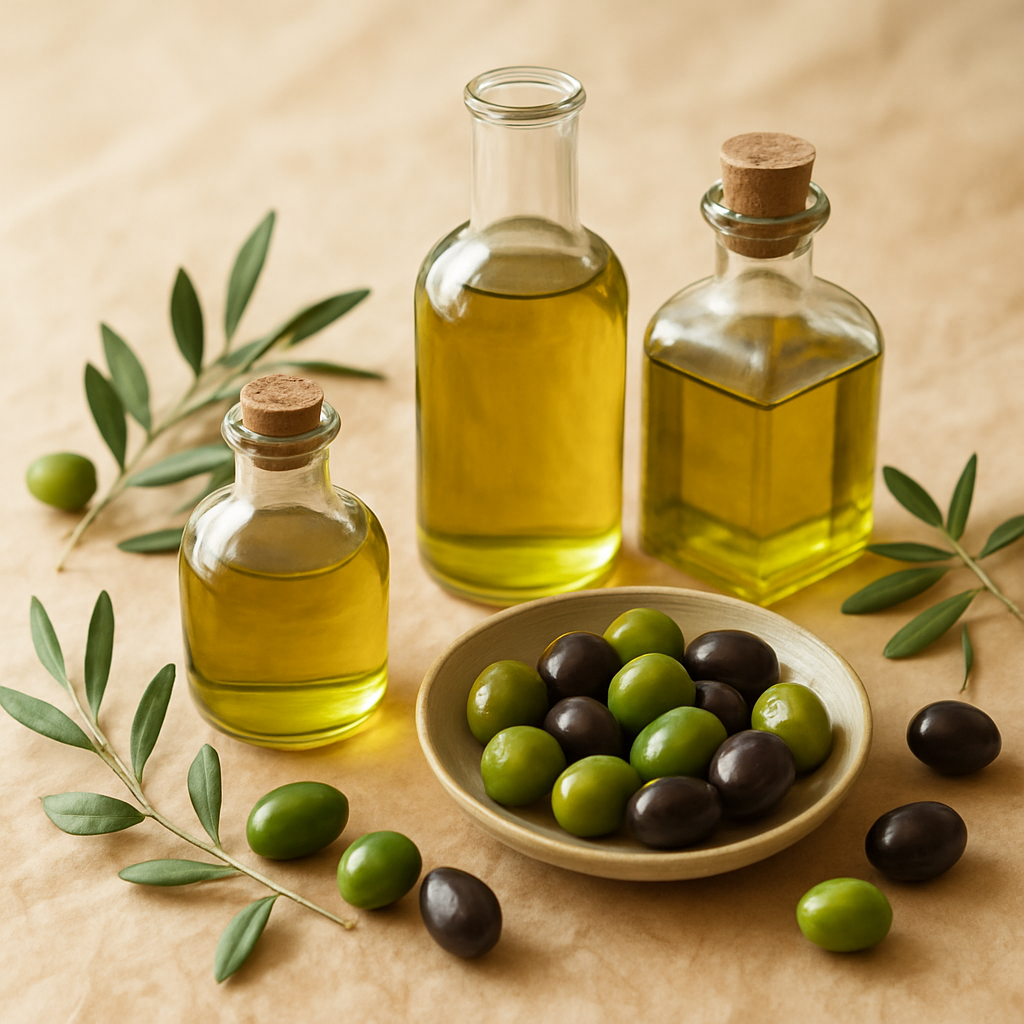
This is a bottle of pure olive oil, a staple in many kitchens. It is derived from the fruit of the olive tree, a process that yields a versatile cooking fat. The oil is typically a pale green to golden yellow color and has a distinct aroma. It is a fundamental ingredient used across a wide range of culinary traditions.
How people cook with it
Olive oil is incredibly adaptable and can be used in both cooking and finishing dishes.
- Drizzled over salads
- Used for sautéing vegetables
- Incorporated into marinades
- For baking breads
When cooking, olive oil can be heated to moderate temperatures for sautéing, pan-frying, and roasting. Its flavor profile can enhance the taste of ingredients without overpowering them. For finishing, a light drizzle can add richness and a glossy sheen to finished plates, from grilled meats to steamed vegetables. It is also a key component in salad dressings and vinaigrettes, emulsifying with vinegars and other liquids to create a smooth texture. Its smooth mouthfeel makes it ideal for blending into sauces and dips.
How it differs from similar foods
Compared to other cooking oils, olive oil often has a more pronounced flavor, especially extra virgin varieties. Its smoke point can also vary, making some types better suited for high-heat cooking than others. This particular oil offers a balance of flavor and functionality for everyday kitchen tasks.
Who it is for
Home cooks and professional chefs alike rely on olive oil for its culinary versatility.
How to keep the rest
To maintain its quality, store the remaining oil in a cool, dark place, away from direct sunlight and heat. Ensure the cap is tightly sealed after each use to prevent oxidation and preserve its flavor. Proper storage helps extend its shelf life and keeps it ready for your next meal.