
More
Fresh Bottle Gourd
What it is
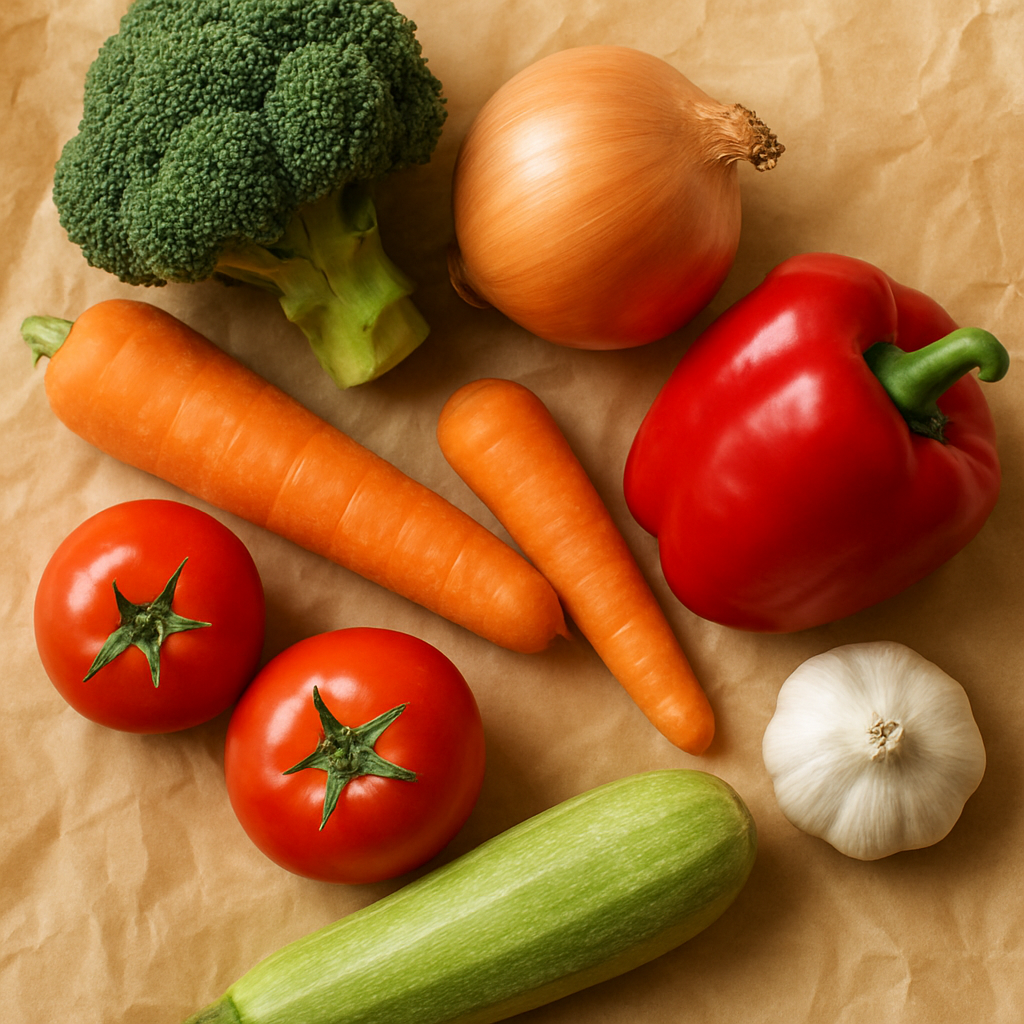
This is a bottle gourd, also known as calabash or lauki. It is a pale green, smooth-skinned vegetable with a mild, slightly sweet flavor. The flesh is white and has a tender texture when cooked. It is a versatile ingredient often found in various cuisines worldwide, particularly in Indian cooking. Its shape can vary, but it is typically elongated with a bulbous bottom.
How people cook with it
Bottle gourd is a staple in many kitchens, prized for its ability to absorb flavors and its tender texture when prepared.
- Added to curries and stews
- Pureed into soups
- Grated into fritters
- Stir-fried with spices
To prepare bottle gourd, begin by washing the exterior thoroughly. You can peel the skin if it is thick or tough, though younger gourds often have edible skin. Cut the gourd into desired shapes, such as cubes, slices, or grated. It can be simmered in broths, curries, or stews until tender. It also works well when sautéed with aromatic spices or blended into smooth soups. Its mild taste makes it a good base for absorbing other flavors.
How it differs from similar foods
Compared to zucchini, bottle gourd has a firmer texture and a less watery consistency. Its flavor is also more subtle, making it a blank canvas for spices. It tends to hold its shape better during longer cooking times than some other gourds.
Who it is for
Home cooks seeking to incorporate a mild, versatile vegetable into their meals will find this useful.
How to keep the rest
Store fresh bottle gourd in a cool, dry place, away from direct sunlight. It can be kept at room temperature for a few days or refrigerated for longer storage. Ensure it is not bruised or damaged before storing. Once cut, it should be wrapped tightly and refrigerated.