
Te Kuiti
Lamb Bones for Broth
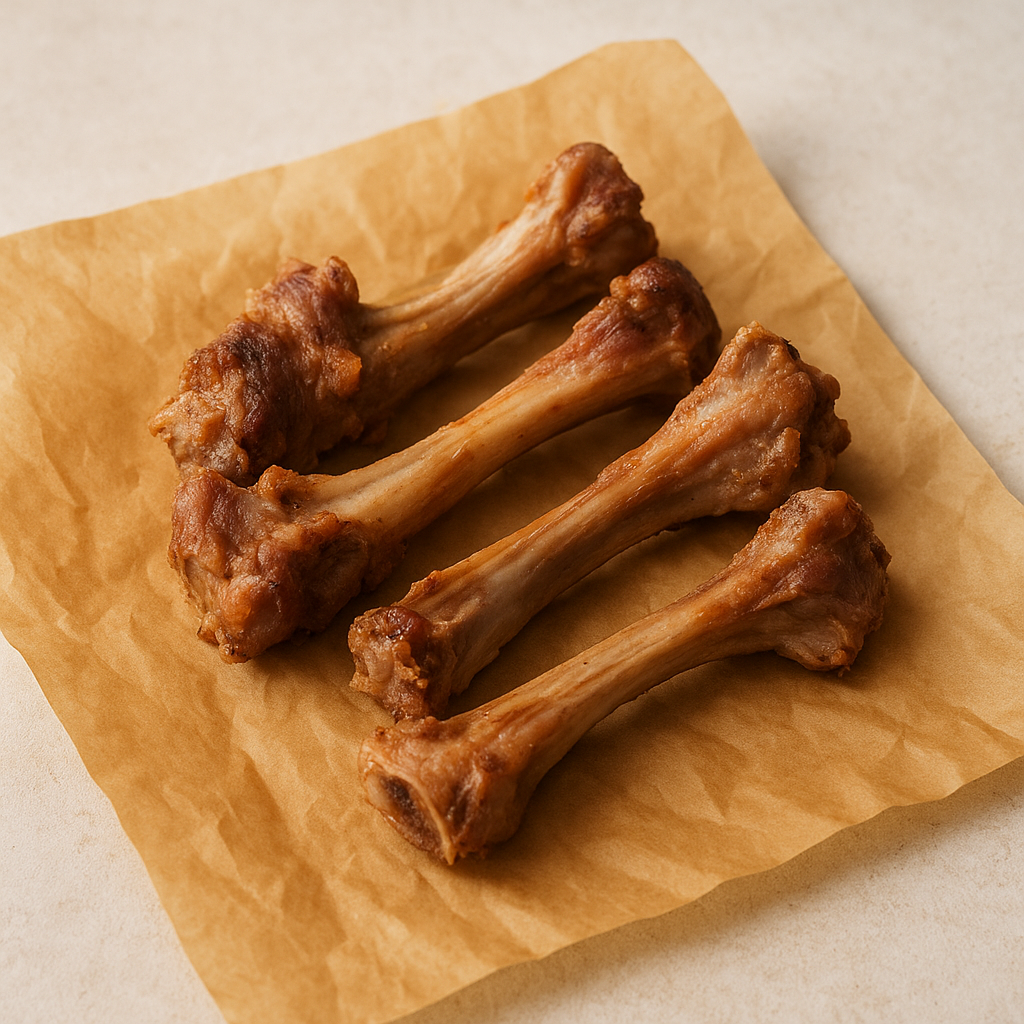
What it is
These are the bones from a lamb, typically including marrow bones and knuckle bones. They are a byproduct of butchering lamb meat. The bones contain connective tissues and marrow, which are valuable for creating rich stocks and broths. They are usually sold raw and may come from various parts of the lamb carcass. The bones are a natural source of flavor and body for cooking liquids.
How people cook with it
Lamb bones are primarily used to create flavorful stocks and broths that can form the base for many dishes.
- Simmering for stock
- Roasting for deeper flavor
- Adding to slow-cooked stews
- Making a rich bone broth
To make a flavorful lamb stock, you can first roast the bones in a hot oven until they are deeply browned. This caramelization develops a richer flavor. Then, place the roasted bones in a large pot and cover them with cold water. Add aromatics like onions, carrots, and celery, along with herbs such as thyme and bay leaves. Bring the mixture to a simmer and cook for several hours, skimming off any impurities that rise to the surface. The longer it simmers, the more flavor will be extracted from the bones.
How it differs from similar foods
Lamb bones differ from beef bones in their flavor profile, offering a more delicate and less gamey taste. They also tend to have a finer marrow. Compared to chicken bones, lamb bones yield a richer, more robust stock suitable for heartier dishes.
Who it is for
Home cooks and chefs preparing traditional savory dishes often use lamb bones.
How to keep the rest
Store uncooked lamb bones in the refrigerator, well-wrapped, for up to 2 days. For longer storage, freeze them in an airtight container or heavy-duty freezer bag. Ensure they are completely thawed before using them for cooking.