
Te Kuiti
Te Kuiti Bone-In Lamb Saddle
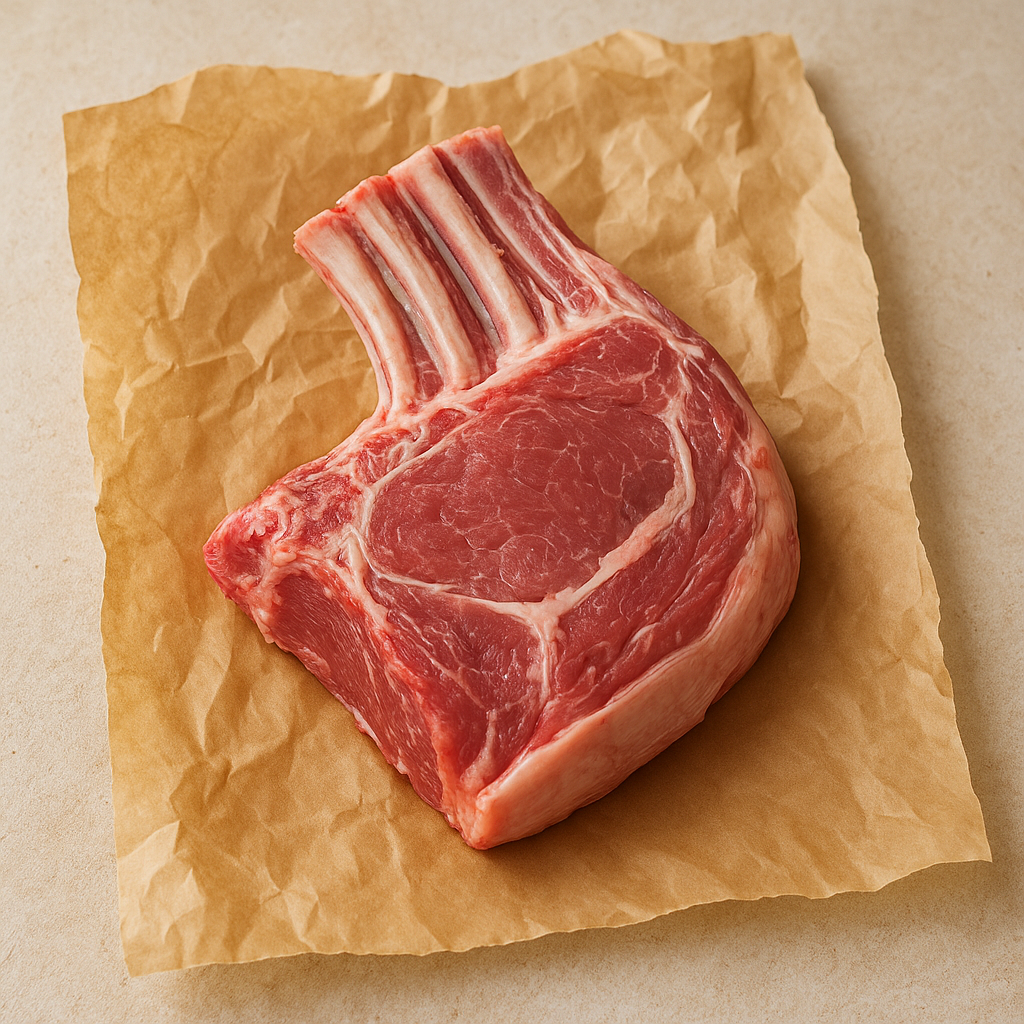
What it is
This is a cut of lamb that includes the loin and the kidney fat. It is often sold with the bone still attached, which can add flavor and moisture during cooking. The saddle is considered a tender and flavorful part of the lamb, making it suitable for special occasions. It is a versatile cut that can be prepared in various ways.
How people cook with it
This cut is excellent for roasting and can also be pan-seared. Its natural richness lends itself well to bold flavors.
- Roasting for a Sunday dinner
- Pan-searing for a quick meal
- Braising for tender results
- Grilling for a smoky flavor
To roast, season the lamb saddle generously with salt, pepper, and herbs like rosemary or thyme. You can sear it first in a hot pan to develop a nice crust, then transfer it to the oven. For pan-searing, cut the saddle into individual portions and cook them in a hot skillet until browned and cooked to your desired doneness. Braising involves cooking the lamb slowly in liquid, which breaks down tougher connective tissues and results in a very tender meat. Grilling requires careful monitoring to avoid overcooking.
How it differs from similar foods
Bone-in lamb saddle differs from boneless cuts by retaining the bone, which imparts additional flavor and moisture as it cooks. The presence of the bone also helps to insulate the meat, promoting more even cooking. It is generally more tender than cuts from the leg or shoulder.
Who it is for
Home cooks looking to prepare a classic lamb dish will find this cut appealing.
How to keep the rest
After purchasing, store any unused portion of the lamb saddle in its original packaging or tightly wrapped in plastic wrap in the coldest part of your refrigerator. It is best to use it within two to three days for optimal freshness and quality. Ensure it is kept away from other raw meats to prevent cross-contamination.