
Te Kuiti
Boneless Lamb Leg Roast
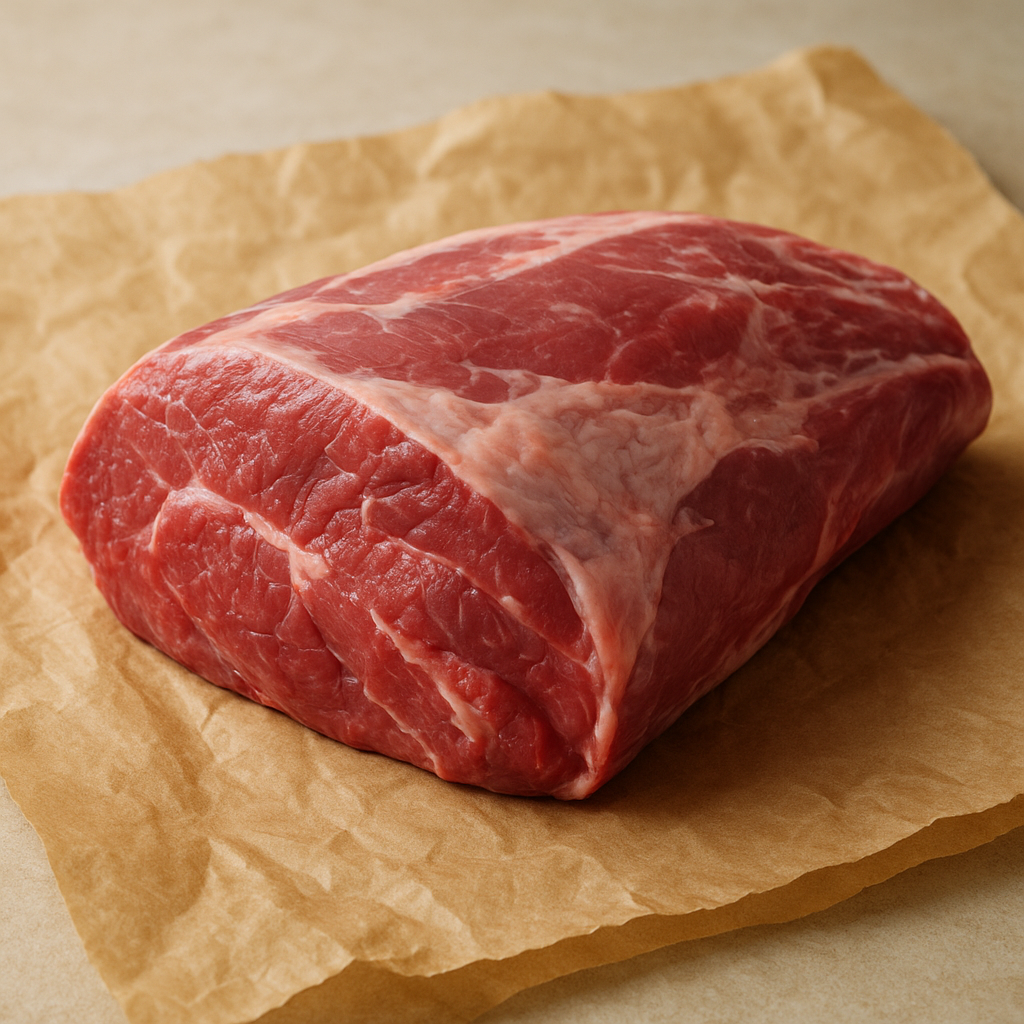
What it is
This is a boneless lamb leg, a prime cut of lamb that has had the bone removed. This preparation makes it easier to carve and cook evenly. Lamb leg is known for its tender texture and rich, distinctive flavor. It is a versatile cut that can be prepared in many ways, from slow roasting to braising. The meat is typically a deep red color when raw and becomes a lighter brown when cooked.
How people cook with it
Boneless lamb leg is a centerpiece for special meals. It can be roasted whole or cut into smaller portions for various dishes.
- Sunday roast dinner
- Holiday centerpiece
- Marinated and grilled
- Slow-cooked for tenderness
To prepare, you can season the boneless lamb leg generously with salt, pepper, and herbs like rosemary and thyme. For a classic roast, sear it in a hot oven until browned, then reduce the heat to cook it through to your desired doneness. Resting the meat after cooking is crucial for juicy results. It can also be marinated in advance to infuse it with additional flavors before roasting or grilling. For a more tender outcome, consider slow cooking or braising.
How it differs from similar foods
Compared to bone-in lamb leg, the boneless version cooks more uniformly because there is no bone to insulate the meat. It also offers more convenient slicing and serving. The absence of the bone means less weight for the same amount of edible meat.
Who it is for
Home cooks preparing celebratory meals or seeking a flavorful main course for family gatherings.
How to keep the rest
After cooking, refrigerate any leftovers promptly in an airtight container. Properly stored, cooked lamb leg can be kept in the refrigerator for three to four days. It can also be frozen for longer storage, ensuring its quality for future meals.