
Te Kuiti
Bone-in Lamb Leg Roast
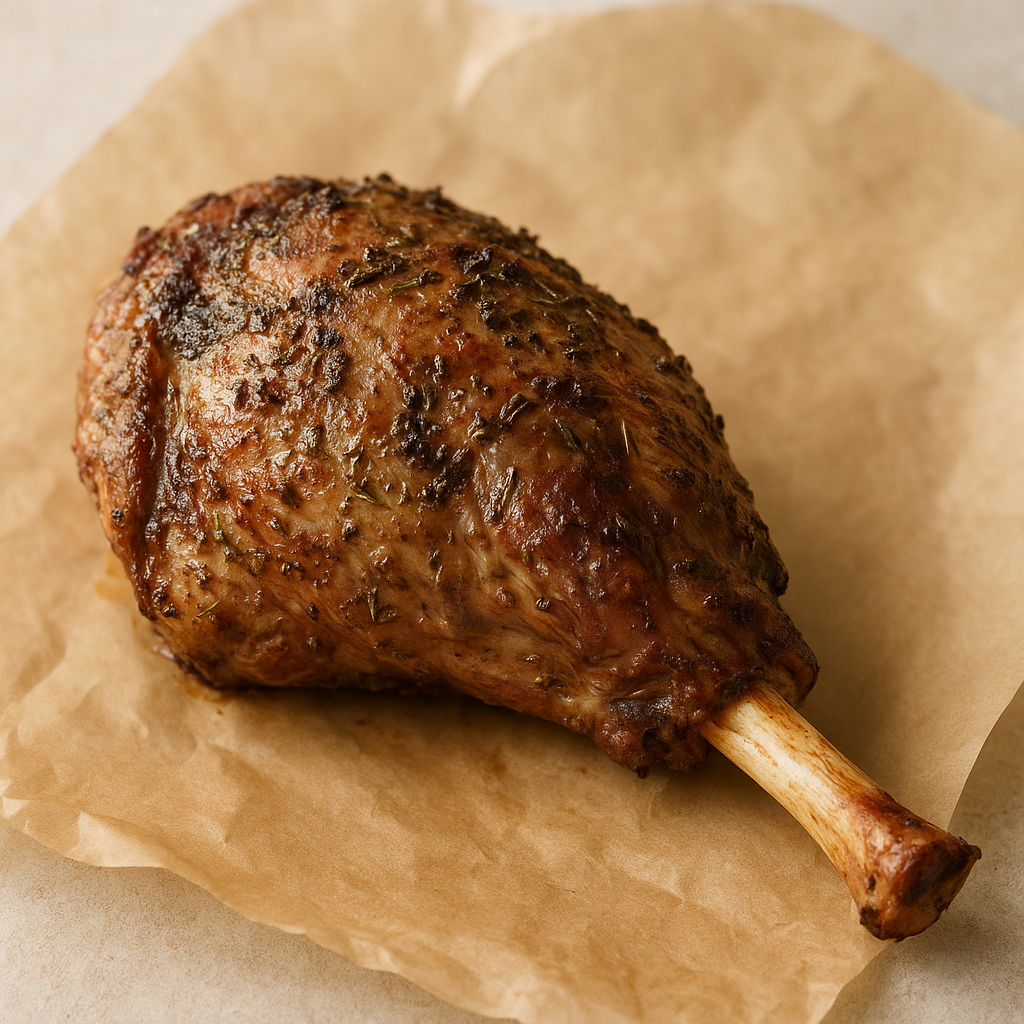
What it is
This is a whole lamb leg with the bone still intact. The bone adds flavor and helps keep the meat moist during cooking. It's a substantial cut, suitable for feeding a group. The meat is typically dark red and has a distinct, rich flavor that is characteristic of lamb. It comes from the hindquarter of the lamb.
How people cook with it
A bone-in lamb leg is a classic choice for celebratory meals and family gatherings. It roasts beautifully in the oven, developing a tender interior and a flavorful crust.
- Slow-roasted for Sunday dinner
- Marinated and grilled
- Braised with aromatic vegetables
- Carved for sandwiches
To prepare, allow the lamb leg to come to room temperature for about an hour before cooking. You can season it generously with salt, pepper, garlic, and herbs like rosemary or thyme. For a more intense flavor, create small incisions and insert garlic cloves or herb sprigs. Roasting is the most common method, often starting at a higher temperature to brown the exterior, then reducing the heat to cook it through to your desired level of doneness. Resting the meat after cooking is crucial for juiciness.
How it differs from similar foods
Compared to boneless lamb leg, the bone in this cut contributes significant flavor and moisture to the meat as it cooks. It also provides a natural structure that can help the roast maintain its shape. The cooking time may also differ slightly due to the presence of the bone.
Who it is for
Home cooks looking to prepare a traditional roast or impress guests with a centerpiece dish.
How to keep the rest
After cooking, any leftover lamb leg should be cooled completely and then stored in an airtight container in the refrigerator. It is best consumed within three to four days. For longer storage, it can be frozen.