
Te Kuiti
Boneless Lamb Shoulder
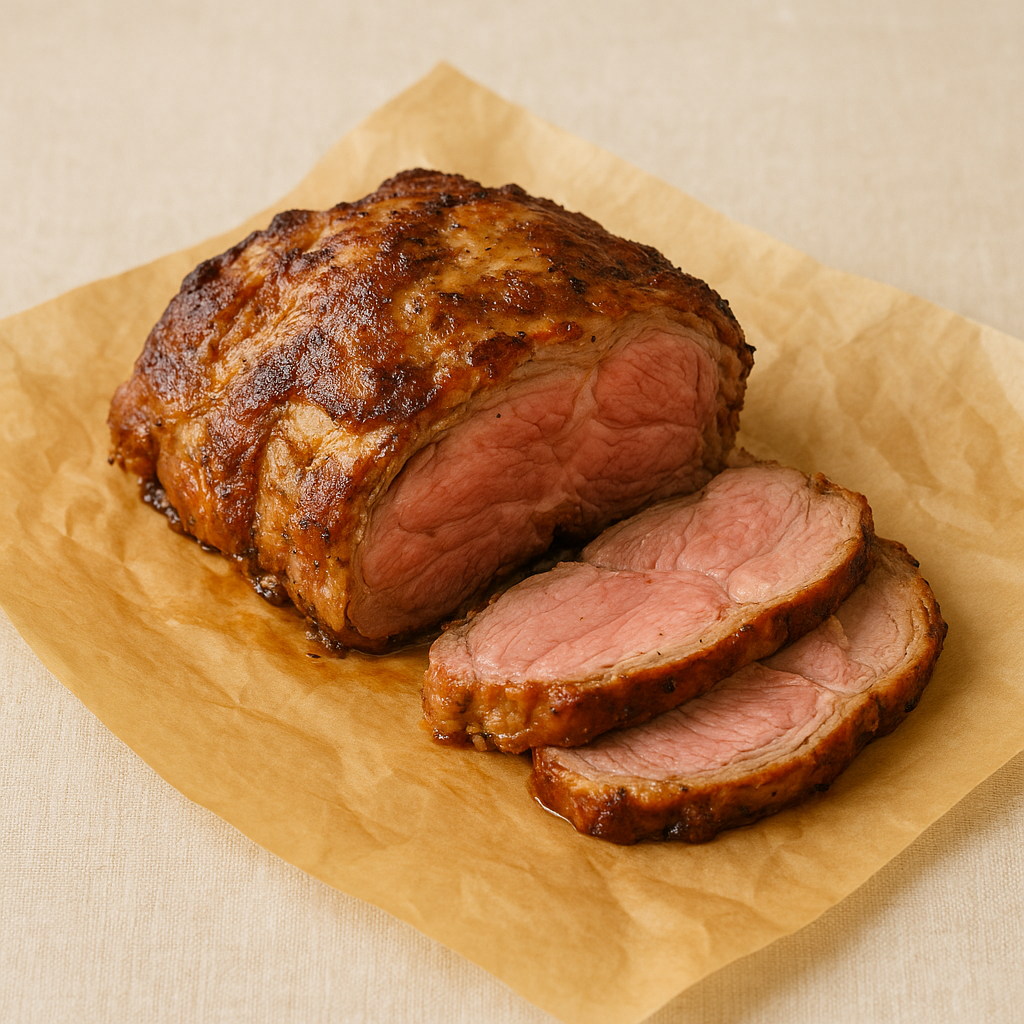
What it is
This is a cut of lamb that has had the bone removed, making it easier to prepare and serve. It comes from the upper part of the lamb's front leg. The meat is typically well-marbled, which contributes to its flavor and tenderness when cooked slowly. It is a versatile cut that can be used in a variety of dishes, from roasts to stews. The boneless nature means less waste and more meat for your meals.
How people cook with it
Boneless lamb shoulder is excellent for slow-cooking methods that break down its connective tissues, resulting in tender and flavorful meat.
- Slow-cooked roasts
- Hearty stews
- Pulled lamb
- Braised dishes
To prepare boneless lamb shoulder, it is best to use low and slow cooking techniques. This can involve braising it in liquid, such as broth or wine, in a covered pot in the oven for several hours. Alternatively, it can be roasted at a low temperature for an extended period. The marbling within the meat will render down, basting the lamb and making it incredibly moist and tender. It is also suitable for slow cookers or pressure cookers. Once cooked, the meat can be easily shredded or sliced.
How it differs from similar foods
Compared to lamb leg, lamb shoulder has more connective tissue and fat, making it ideal for slow cooking. Lamb leg is leaner and often preferred for quicker roasting or grilling methods where a more defined texture is desired.
Who it is for
Home cooks looking for a flavorful and tender cut of lamb for family meals or entertaining.
How to keep the rest
After cooking, allow any leftover lamb shoulder to cool completely before refrigerating. Store it in an airtight container in the refrigerator for up to 3-4 days. For longer storage, it can be frozen in suitable containers or freezer bags for up to 2-3 months.