
Ovation
Ovation Lamb Bones for Broth
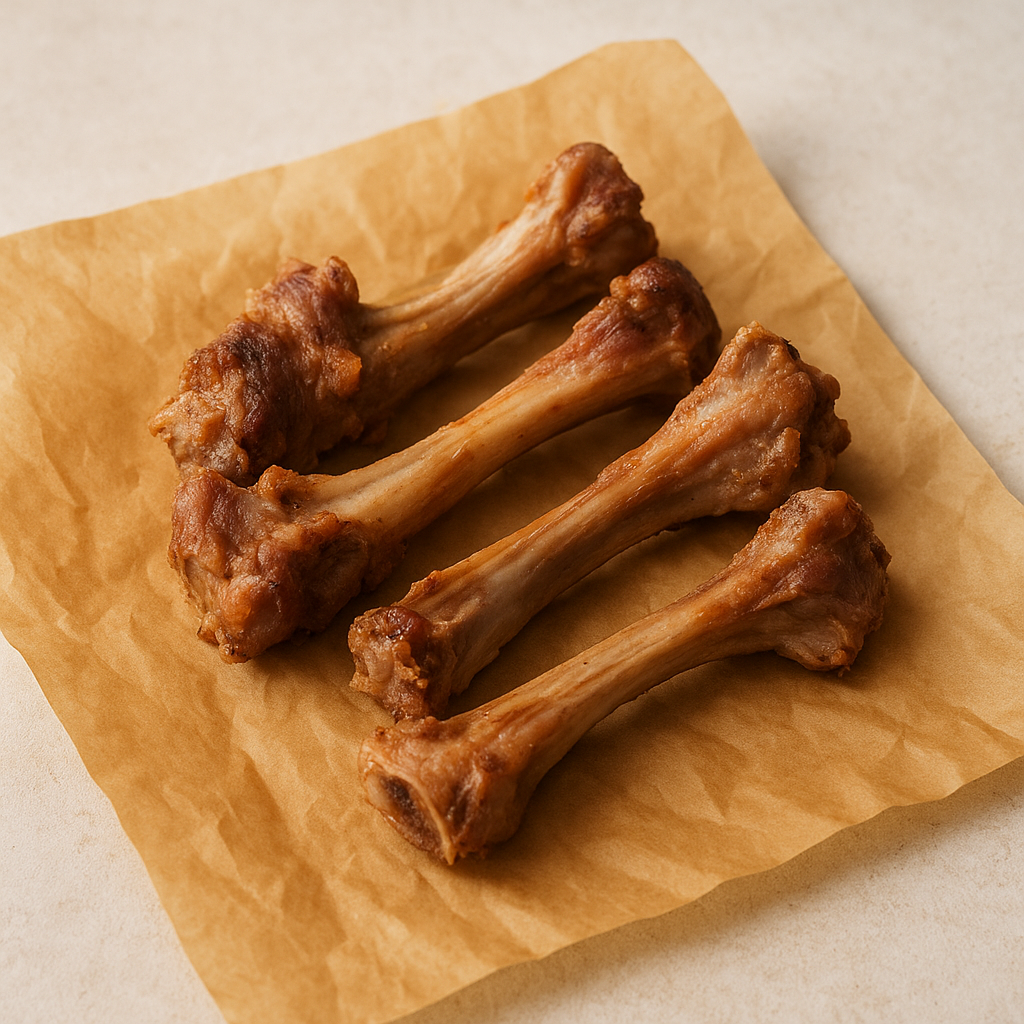
What it is
These are the bones from a lamb, carefully prepared for culinary use. They are typically roasted or raw and provide a rich base for stocks and broths. The marrow within the bones adds a deep flavor and contributes to a richer texture in finished dishes. They are a natural byproduct of meat processing, offering a way to utilize the entire animal.
How people cook with it
Lamb bones are primarily used to create flavorful stocks and broths that form the foundation of many savory dishes.
- Rich lamb stock
- Savory broths
- Deep-flavored gravies
- Slow-cooked stews
To make a lamb stock, place the bones in a large pot and cover them with cold water. Add aromatics like onions, carrots, and celery, along with herbs such as thyme and bay leaves. Bring the mixture to a boil, then reduce the heat and let it simmer gently for several hours, or even overnight. Skim off any impurities that rise to the surface during cooking. Once the stock has developed a deep flavor and rich color, strain it through a fine-mesh sieve to remove the solids. The resulting liquid can be used immediately or cooled and stored.
How it differs from similar foods
Lamb bones offer a distinct flavor profile compared to beef or chicken bones. They tend to impart a more delicate, slightly gamey taste, making them ideal for specific cuisines where lamb is a featured ingredient. The richness can also be more pronounced than chicken bones.
Who it is for
Home cooks and professional chefs utilize lamb bones to elevate the depth of flavor in their savory preparations.
How to keep the rest
Store any unused lamb bones in the refrigerator, tightly wrapped, for up to two days before use. For longer storage, freeze the bones in a freezer-safe bag or container. They can be kept frozen for several months.