
Ovation
Ovation Bone-In Lamb Hindshanks
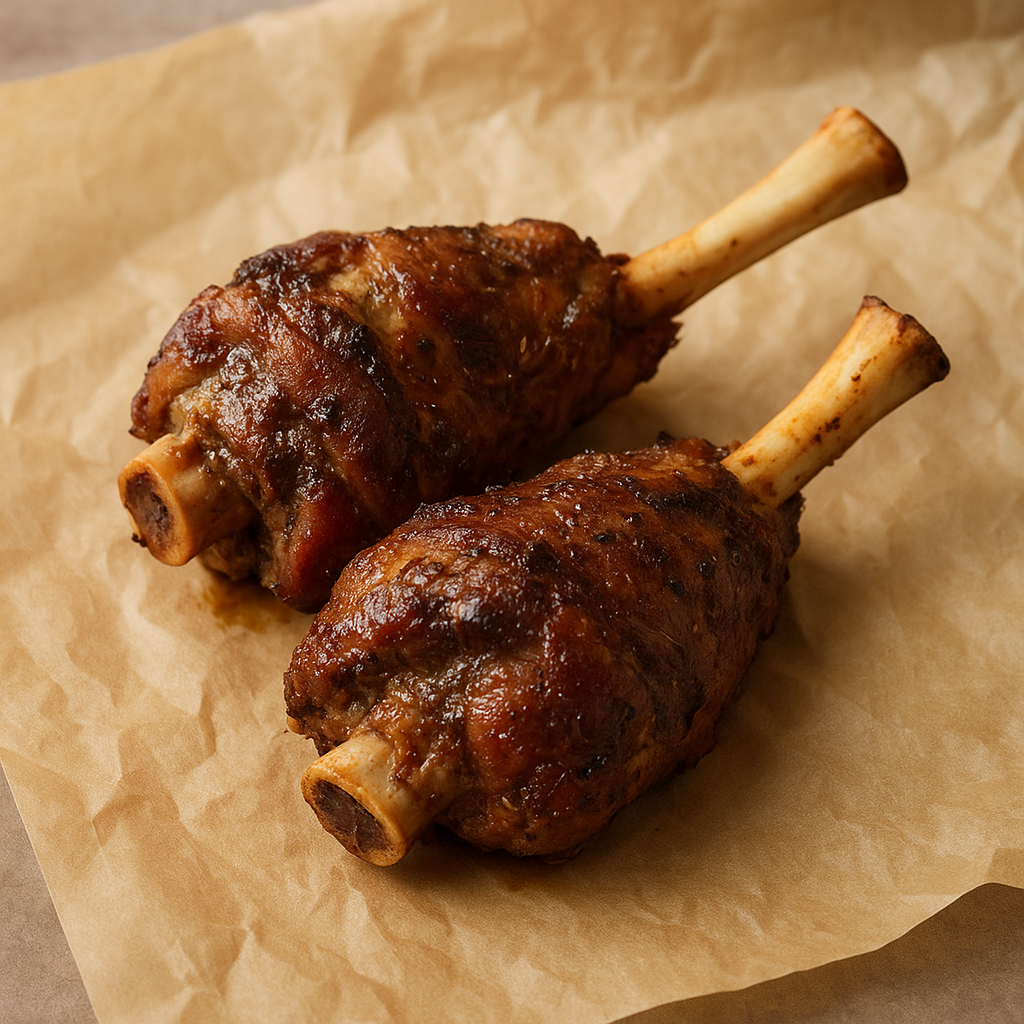
What it is
These are the lower portion of a lamb's hind leg, including the bone. The bone adds flavor and moisture during cooking. Lamb hindshanks are known for their rich, deep flavor and tender texture when prepared properly. They are a substantial cut, often sold individually or in pairs. This cut is a classic choice for slow cooking methods.
How people cook with it
Lamb hindshanks are best suited for cooking methods that break down the connective tissues, resulting in a fork-tender experience.
- Slow-cooked stews
- Braised dishes
- Roasting
- Pot roasts
To prepare lamb hindshanks, searing them first in a hot pan develops a rich brown crust and locks in flavor. After searing, they are typically transferred to a pot or Dutch oven with aromatic vegetables like onions, carrots, and celery, along with liquids such as broth, wine, or tomatoes. The dish is then covered and cooked at a low temperature in the oven or on the stovetop for several hours until the meat is exceptionally tender and easily pulls away from the bone. This slow cooking process allows the flavors to meld beautifully.
How it differs from similar foods
Compared to other lamb cuts like chops or roasts, hindshanks have more connective tissue and a bone-in structure. This means they require longer, slower cooking times to become tender. The bone contributes significantly to the depth of flavor in the final dish, making it richer than boneless alternatives.
Who it is for
Home cooks looking to create hearty, flavorful meals often choose lamb hindshanks for special occasions or comforting dinners.
How to keep the rest
Store uncooked lamb hindshanks in their original packaging in the refrigerator. Ensure they are kept cold and away from other foods to prevent cross-contamination. For longer storage, they can be frozen, ideally wrapped tightly to prevent freezer burn. Thaw frozen shanks in the refrigerator before cooking.