
Ovation
Ovation Boneless Lamb Knuckles
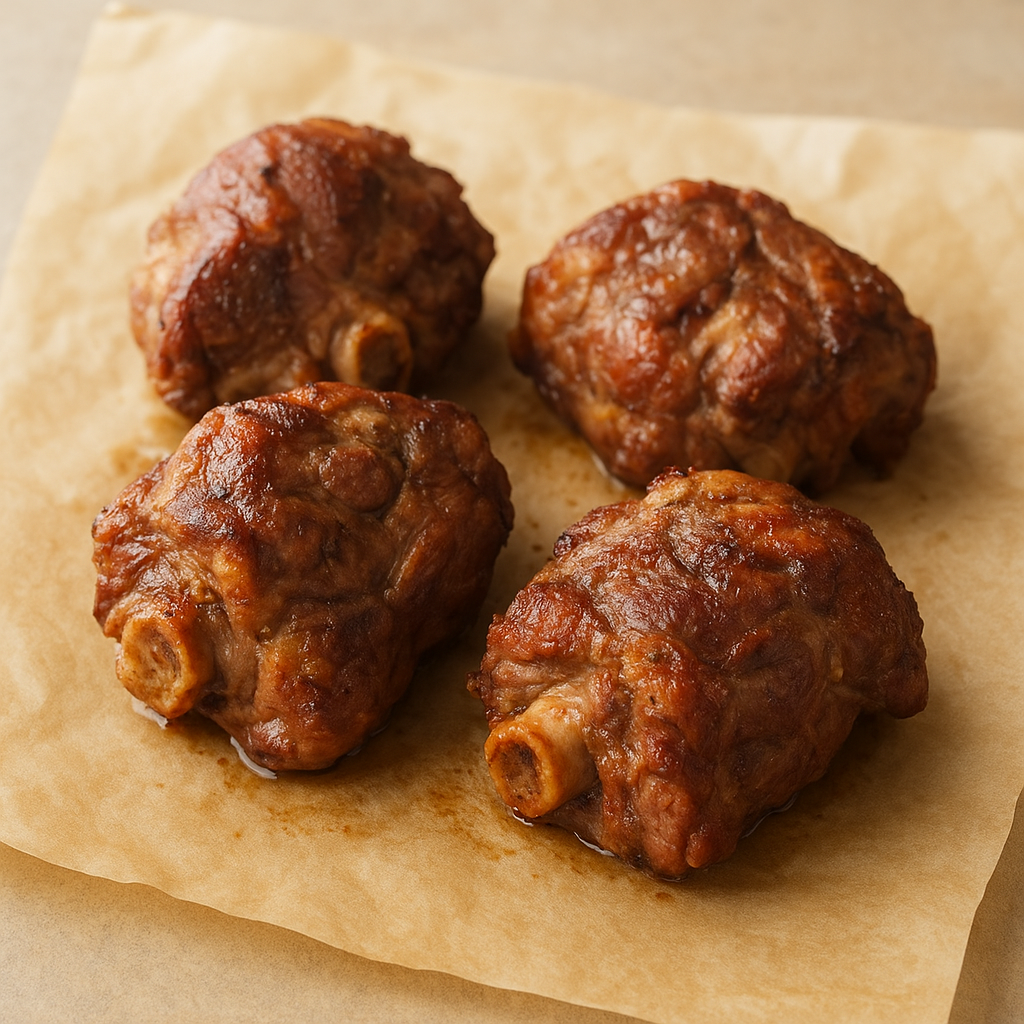
What it is
These are cuts of lamb from the joint between the shank and the foot. They are typically rich in collagen, which breaks down during slow cooking to create a tender texture and a deeply flavorful broth. The meat is dark red and has a distinct lamb aroma. This product is sold boneless, meaning the bone has been removed for easier preparation and consumption.
How people cook with it
Boneless lamb knuckles are ideal for slow-cooked dishes that benefit from extended simmering. Their rich flavor profile makes them a versatile ingredient in hearty meals.
- Slow-cooked stews
- Braised dishes
- Hearty soups
- Rich gravies
To prepare boneless lamb knuckles, begin by searing them in a hot pan to develop a flavorful crust. Transfer them to a heavy-bottomed pot or Dutch oven. Add aromatic vegetables like onions, carrots, and celery, along with herbs such as rosemary and thyme. Cover the meat with liquid, such as stock, wine, or water, ensuring it is mostly submerged. Bring to a simmer, then cover and cook in a low oven or on the stovetop for several hours until the meat is fork-tender and easily pulls apart. The long cooking time allows the collagen to render, creating a succulent texture.
How it differs from similar foods
Compared to lamb shanks, boneless knuckles may have a slightly higher proportion of connective tissue, which contributes to their exceptional tenderness when slow-cooked. The absence of the bone also means more meat per serving and a quicker cooking time as the heat penetrates more evenly.
Who it is for
Home cooks looking to create deeply satisfying, slow-cooked lamb dishes will find these knuckles a valuable addition to their repertoire.
How to keep the rest
Refrigerate any unused portions of boneless lamb knuckles promptly. Ensure they are tightly wrapped in plastic wrap or stored in an airtight container to prevent drying out. For longer storage, they can be frozen, ideally in a vacuum-sealed bag or a freezer-safe container, for up to several months.