
Ovation
Ovation Bone-in Foreshanks
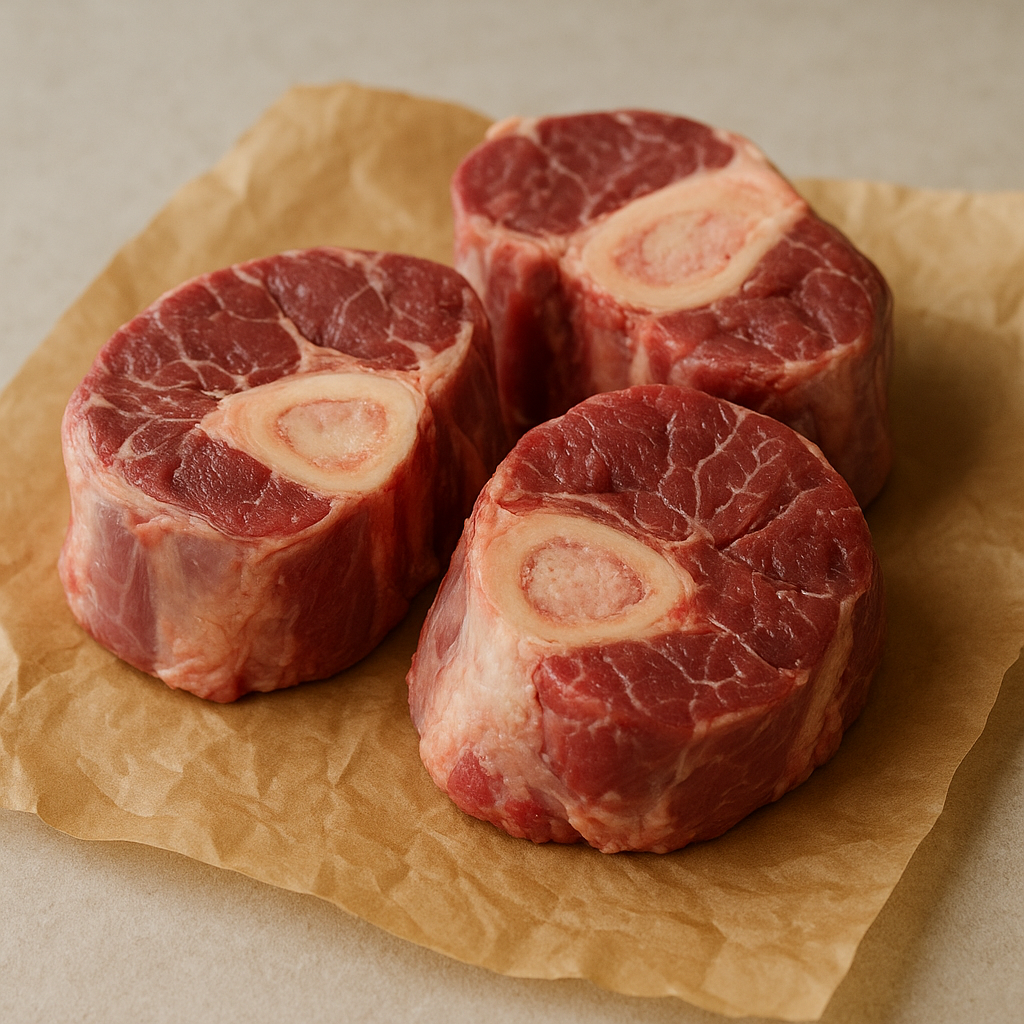
What it is
These are the front leg portions of lamb, cut from the foreshank. They are characterized by their bone-in structure, which helps to keep the meat moist and flavorful during cooking. The foreshank cut is known for its connective tissues and marbling, which break down over long cooking times, resulting in tender and succulent meat. This cut is a good choice for slow cooking methods.
How people cook with it
Bone-in foreshanks are a versatile cut that can be prepared in many ways, offering rich flavor and a satisfying meal.
- Slow-cooked stews
- Braised dishes
- Roasts
- Hearty soups
To prepare bone-in foreshanks, searing them first in a hot pan can develop a delicious crust and enhance their flavor. They are best suited for moist, slow cooking methods such as braising or stewing. Cover the shanks with liquid, like broth or wine, and cook them at a low temperature for several hours until the meat is fork-tender and easily pulls away from the bone. This process allows the connective tissues to break down, creating a rich sauce.
How it differs from similar foods
Compared to boneless cuts, bone-in foreshanks benefit from the marrow and collagen within the bone, which contribute to a deeper flavor and more tender texture when cooked slowly. The bone also helps regulate the meat's temperature during cooking, preventing it from drying out as quickly.
Who it is for
Home cooks looking to prepare a comforting and flavorful meal often choose this cut.
How to keep the rest
After cooking, allow any leftover foreshanks to cool completely before refrigerating. Store them in an airtight container in the refrigerator for up to 3-4 days. For longer storage, they can be frozen, ensuring they are well-wrapped to prevent freezer burn.