
Atkins Ranch
Atkins Ranch Lamb Shanks
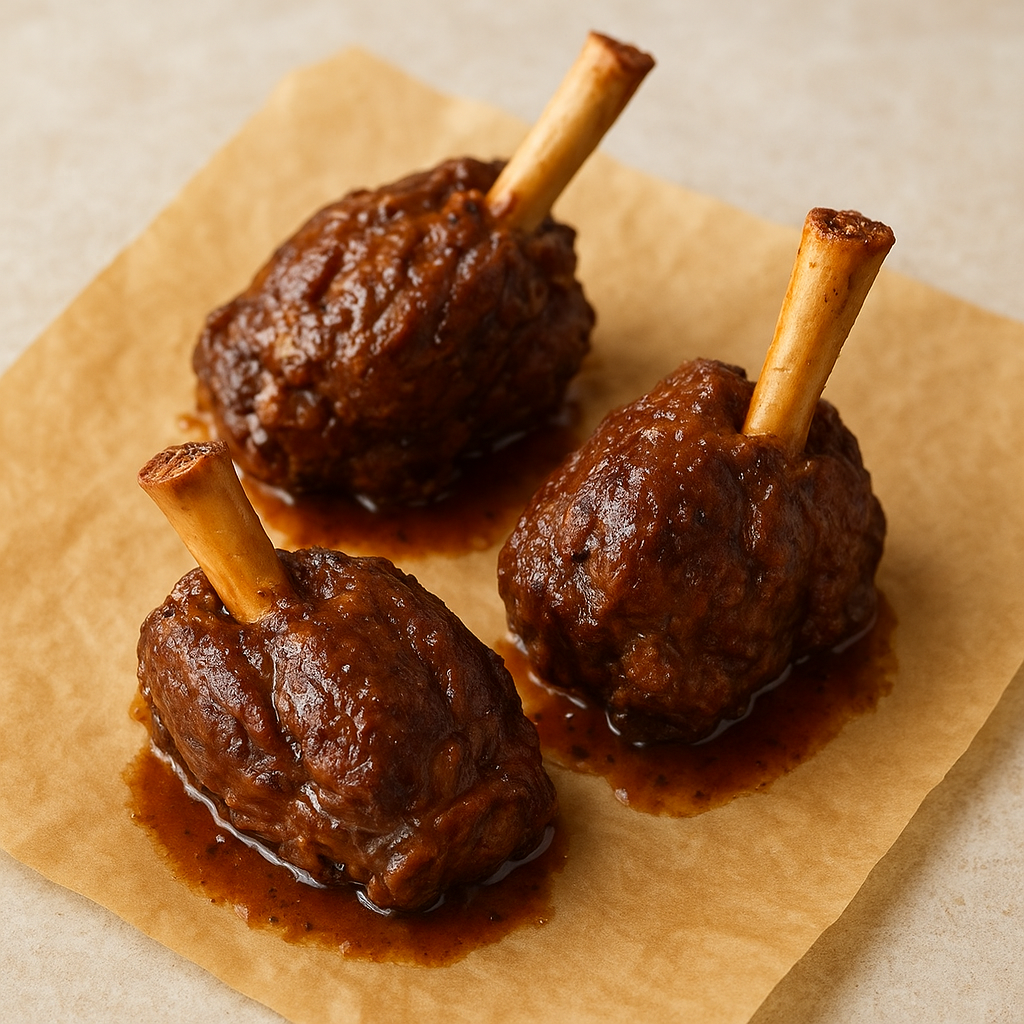
What it is
These are individual cuts of lamb from the lower leg, containing bone and connective tissue. The meat is typically dark red and has a rich, gamey flavor. Lamb shanks are known for their toughness when cooked quickly but become incredibly tender and succulent when braised or slow-cooked. This cut is a favorite for hearty, comforting meals.
How people cook with it
Lamb shanks are a fantastic choice for slow-cooked dishes. They benefit greatly from moist heat cooking methods.
- Slow-braised for tender results
- Roasted with herbs and vegetables
- Added to stews for depth of flavor
- Pressure-cooked for faster preparation
To prepare lamb shanks, begin by searing them in a hot pan until browned on all sides. This step develops flavor and color. Then, transfer the shanks to a Dutch oven or braising pot. Add aromatics like onions, carrots, and celery, along with herbs such as rosemary and thyme. Pour in a liquid like red wine, beef broth, or stock, ensuring the shanks are partially submerged. Cover the pot tightly and cook in a low oven or on the stovetop for several hours until the meat is fork-tender and easily pulls away from the bone.
How it differs from similar foods
Lamb shanks differ from other lamb cuts like chops or roasts due to their higher proportion of connective tissue and bone. This makes them ideal for slow, moist cooking methods, which break down the collagen into gelatin, resulting in a richer, more unctuous texture than quicker-cooking cuts.
Who it is for
Home cooks looking to create impressive, flavorful main courses often choose lamb shanks.
How to keep the rest
Refrigerate uncooked lamb shanks promptly after purchase. Store them in their original packaging or in a sealed container. Use within 2-3 days for best quality. Cooked lamb shanks can be stored in an airtight container in the refrigerator for up to 3 days.