
Grocery
Red Wine
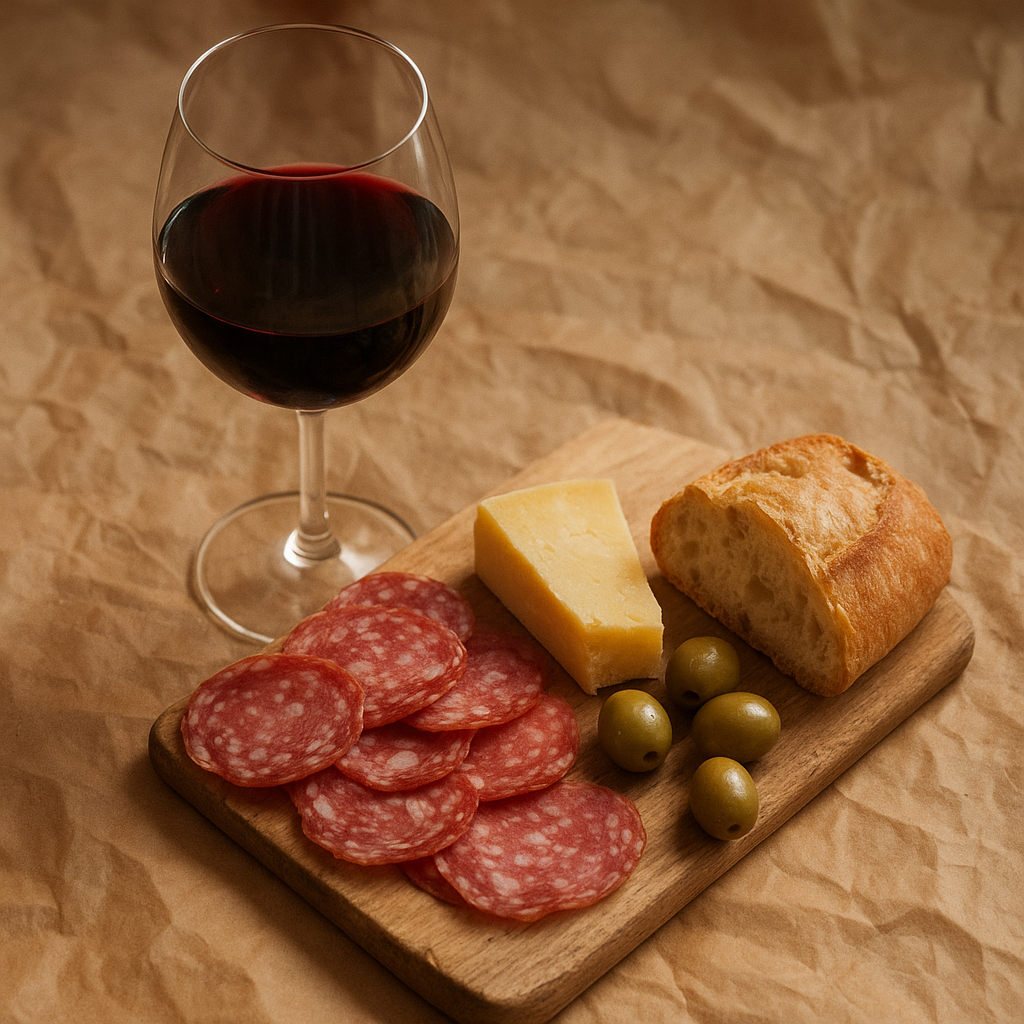
What it is
This is a bottle of red wine, a fermented alcoholic beverage made from dark-colored grape varieties. The color comes from the grape skins, which are typically left in contact with the juice during fermentation. Red wines can range in flavor from light and fruity to bold and complex, with notes of berries, cherries, spices, and even earthy undertones. The specific characteristics depend on the grape varietal, the region where it was grown, and the winemaking process.
How people cook with it
Red wine is enjoyed on its own and is a popular accompaniment to many meals.
- Sipping with cheese
- Pairing with steak
- Incorporating into sauces
- Enjoying with pasta
Red wine can be served at room temperature or slightly chilled, depending on the varietal and personal preference. It is often used in cooking to add depth and flavor to sauces, stews, and braises. When cooking, the alcohol content evaporates, leaving behind the rich essence of the wine. It can also be used to deglaze pans after searing meat, capturing the flavorful browned bits from the bottom of the pan. For a simple enjoyment, it pairs well with a variety of foods.
How it differs from similar foods
Compared to white wine, red wine generally has more tannins, which contribute to its structure and can create a drying sensation in the mouth. The presence of grape skins during fermentation also imparts different flavor compounds and a deeper color. Some red wines are aged in oak barrels, which can add notes of vanilla and toast.
Who it is for
Home cooks and wine enthusiasts often choose red wine for its versatility in both drinking and cooking.
How to keep the rest
Once opened, red wine should be resealed with its cork or a stopper and refrigerated. This helps to slow down the oxidation process. It is best consumed within a few days of opening to maintain its optimal flavor profile. Unopened bottles should be stored on their side in a cool, dark place.